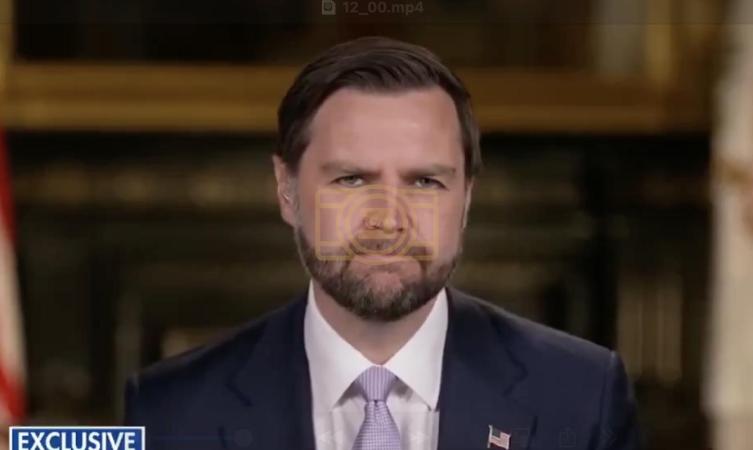
US VP JD Vance Affirms 100% Support for Blocking Iran Nuclear Sites.
Gallery
Videos
JD Vance reaffirmed strong support for Donald Trump’s Iran policy during a recent interview, while declining to publicly discuss any private disagreements. When asked about reported skepticism regarding potential military action, Vance emphasized that his counsel to the president remains confidential. He stated that effective leadership depends on candid internal discussions without public disclosure. This response reflects a disciplined approach to executive decision-making during a sensitive geopolitical moment.
Despite withholding details on internal deliberations, Vance made clear that he fully aligns with the administration’s central objective: preventing Iran from acquiring nuclear weapons. He described Iranian negotiators as capable but warned that their behavior in economic and geopolitical arenas raises serious concerns. Vance argued that allowing such a regime to obtain nuclear capabilities would impose significant risks on global stability. His remarks reinforce the administration’s view that nuclear prevention is non-negotiable.
The vice president also framed Iran’s actions as a form of “economic terrorism,” referencing disruptions to global trade and energy markets. He questioned the level of leverage Iran could exert if it were armed with nuclear weapons, suggesting that the consequences would extend far beyond the region. This argument highlights the broader international stakes involved in the ongoing standoff. It also underscores why the issue remains a top priority for U.S. policymakers.
These comments come in the aftermath of stalled negotiations between the United States and Iran in Islamabad, where talks failed to produce a binding agreement. The diplomatic setback followed weeks of heightened tensions, including military activity and economic pressure measures such as port restrictions. Despite the lack of progress, Vance’s remarks signal that the administration remains committed to its strategic objectives. The emphasis remains on combining pressure with the possibility of future engagement.
Overall, Vance’s statements project unity within the administration while reinforcing a hardline stance on nuclear nonproliferation. By balancing confidentiality with clear policy alignment, he aimed to reassure both domestic and international audiences. The message is consistent: the United States will continue to pursue measures to prevent Iran from obtaining nuclear weapons. As tensions persist, this position is likely to shape the next phase of diplomatic and strategic developments.