STATE TV VS. REALITY: Iran's President Slams Propaganda Over Inflation Crisis
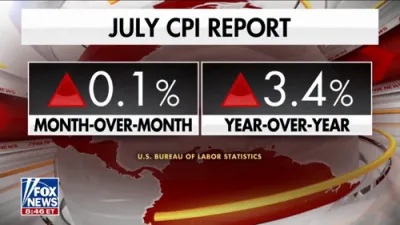
Iranian President Masoud Pezeshkian took an unusually blunt swipe at his own country's state television, criticizing the network for repeatedly highlighting a mere 2 percent inflation rate in the United States while glossing over Iran's own far steeper economic pain. Pezeshkian argued that Iran's inflation has effectively surged to around 100 percent, tying the crisis directly to ongoing sanctions and disrupted import channels rather than any single policy failure. The remark stood out as a rare moment of a sitting Iranian president openly contradicting the framing pushed by state broadcasters, who are largely controlled by hardline factions within the government. It reflects a broader pattern of Pezeshkian increasingly acknowledging economic hardship in public rather than downplaying it, a notable shift from his posture earlier in the year.
Iran's official statistics center has put annual inflation somewhere in the range of 49 to 88 percent through the middle of 2026, depending on the month and methodology used, with food prices in some categories reportedly surging well past 120 percent amid a sharply weakening currency. The Iranian rial has continued losing value throughout the year, driving up the cost of imported goods in a country that relies heavily on foreign trade for everything from food staples to industrial materials. Independent economists have pointed to the toll that reduced oil exports, currency devaluation, and shrinking trade volumes have taken on ordinary Iranians' purchasing power. Whatever the precise figure, the broader trend is unmistakable, prices have been climbing sharply for months with no clear sign of relief.
This latest comment builds on a series of increasingly candid statements from Pezeshkian acknowledging just how much damage sanctions and the broader conflict with the United States and Israel have inflicted on Iran's economy. In a nationally broadcast address, he described the country as facing a full-scale economic, military, and security war, openly referencing major imbalances in water, electricity, gas, fuel, and the banking sector. He has also urged Iranians to accept what he's called wartime conditions, framing the hardship as an unavoidable consequence of the pressures Iran currently faces rather than something the government can simply fix through policy alone. That marks a departure from his earlier messaging, when he had at times suggested new U.S. sanctions would achieve little.
Beyond rhetoric, Pezeshkian's government has also taken concrete steps reflecting the depth of the crisis, including ending subsidized currency exchange rates that had cost the state roughly 18 billion dollars, and moving to raise long-subsidized gasoline prices for the first time in years. These policy shifts, paired with his increasingly direct public comments, suggest a leader trying to manage public expectations amid mounting economic strain rather than continue insisting the situation is under control. With protests over cost-of-living issues having already rocked the country in recent months, Pezeshkian's willingness to publicly break from his own state media's rosier narrative may be less about criticizing propaganda and more about preparing the Iranian public for continued economic difficulty ahead.