COMMUNISM WARNING: Trump Says Democratic Party Has Gone Beyond Socialism, Calls Shift “Very Dangerous"
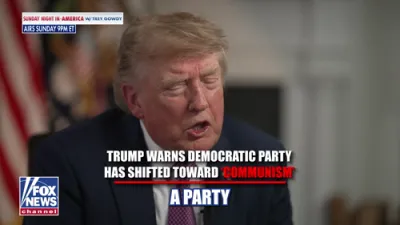
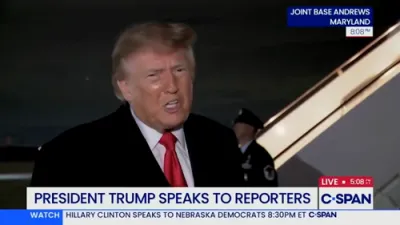
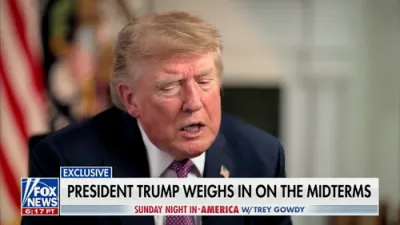
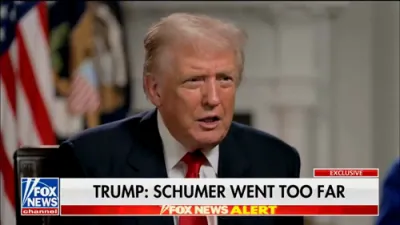
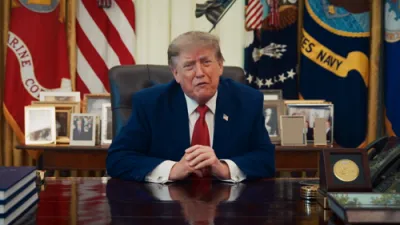
President Trump escalated his rhetoric against the Democratic Party over the weekend, declaring that its political direction has moved beyond socialism into what he now calls outright communism. Speaking in a Fox News interview set to air Sunday, Trump said, "I used to talk about socialism, but this isn't socialism. This is largely communism. This is very dangerous for our country." The comment marks a notable shift in language for a president who has spent years warning about socialism creeping into mainstream Democratic politics, suggesting he now views the threat in even starker terms. Trump went further in the same interview, claiming the party had been infiltrated by what he described as bad thought and bad policy.
Despite the intensity of the label, Trump was careful to frame his remarks as a warning rather than a personal attack on individual Democrats. He clarified that he wasn't trying to paint anyone as simply good or bad, but rather flagging what he sees as a broader and more troubling trend for the country as a whole. He described the shift as "big, big trouble" for America, extending the concern beyond the Democratic Party itself to what he characterized as a wider ideological drift. This framing allows Trump to level a serious accusation while still leaving room to argue he isn't targeting specific politicians by name.
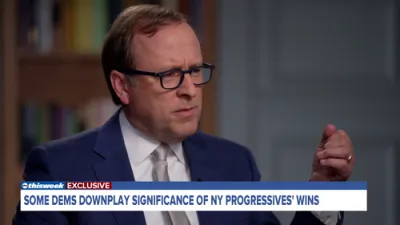
The remarks build on a pattern of attacks Trump has increasingly directed at progressive Democratic candidates in recent weeks, particularly ahead of the November midterm elections. Earlier in August, during an Oval Office appearance, he advised Republican candidates on messaging strategies that invoked both communism and extremism as political liabilities for their opponents. His comments have also come during a period when several high-profile progressive candidates have won primary contests, fueling further debate within conservative media about how far left the party's base has shifted. Critics of Trump's framing argue that equating democratic socialism, a political philosophy embraced by some Democratic lawmakers, with communism, a distinct economic and political system historically associated with authoritarian one-party states, blurs an important ideological distinction.
Whether voters respond to this sharper rhetorical shift the way they have to Trump's past warnings about socialism remains to be seen. Historically, Trump has relied on similar language dating back to his first term, when he frequently invoked the specter of Venezuela and other socialist governments to caution against Democratic policy proposals. This latest escalation suggests he believes that label alone is no longer sufficient to capture what he sees happening within the party today. As the midterm campaign season intensifies, this kind of rhetoric is likely to become a recurring flashpoint between the two parties heading into November.