MAJOR REVERSAL: Dissolved SDF Leaves Kurds Under Islamist-Led Government Authority
Kurds in northeastern Syria are experiencing a significant change in local authority following the dissolution of the Kurdish-led Syrian Democratic Forces. After the SDF formally ended its independent status, Syrian Internal Security and army units linked to the country’s Islamist-leaning government have begun entering cities and neighborhoods previously under SDF control. The territory, which Kurdish forces spent years defending against various jihadist groups, is now seeing these new armed contingents establish a presence. Residents and observers have expressed deep concern about what the shift means for community security and autonomy. The development marks one of the most consequential realignments in the region in recent years.
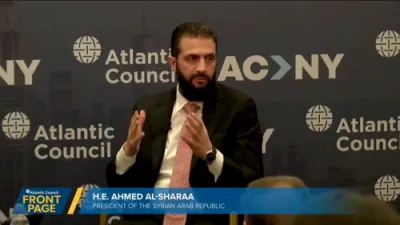
The SDF’s independent role concluded on August 25, 2026, after a series of government offensives and a political agreement reached earlier in the year. Under the arrangement, thousands of former SDF fighters have been partially integrated into brigades of the Syrian army. This process has transferred responsibility for security and military positions in key areas to forces aligned with President Ahmed al-Sharaa’s administration. Al-Hasakah and surrounding districts, long associated with Kurdish self-administration, are among the locations affected. The transition has left many local Kurds uncertain about their future status and protections.
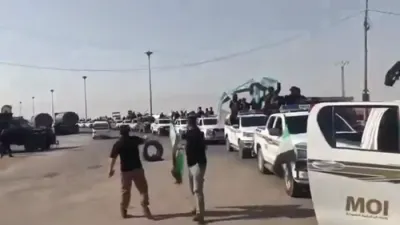
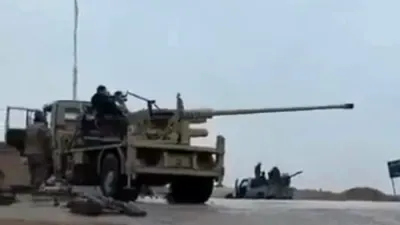
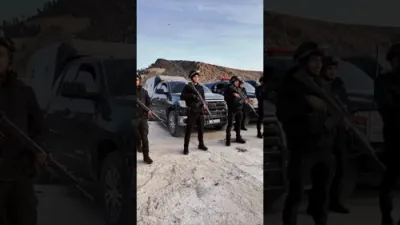
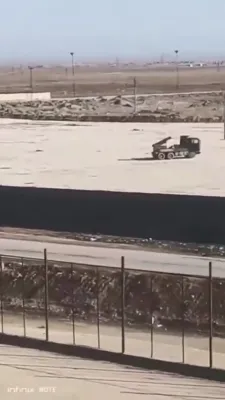
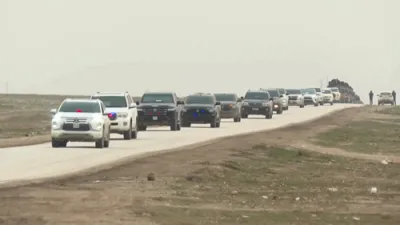
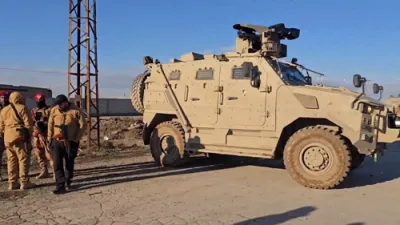
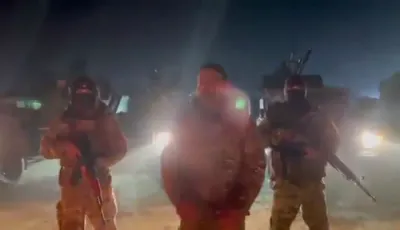
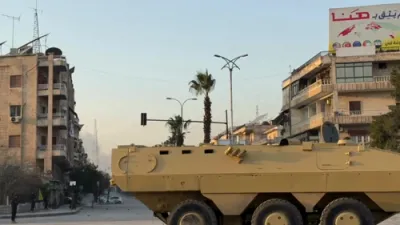
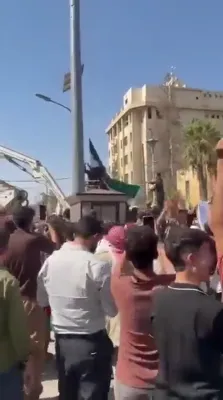
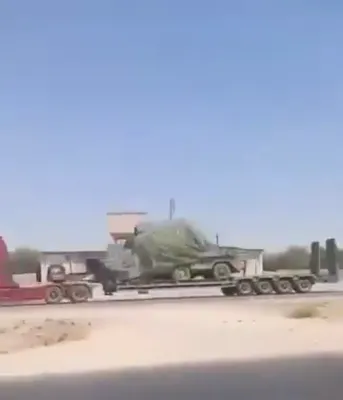
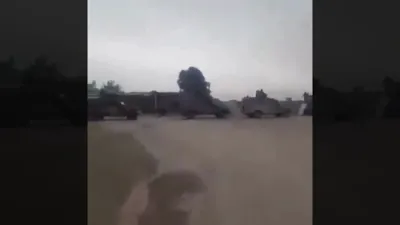
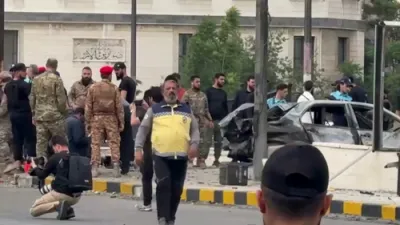
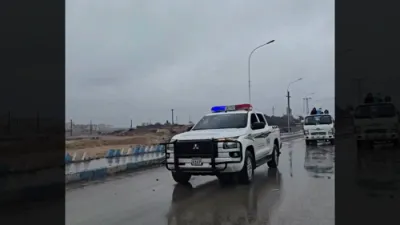
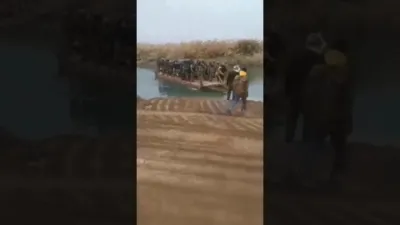
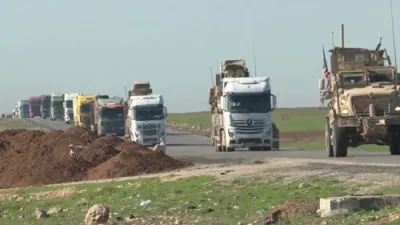
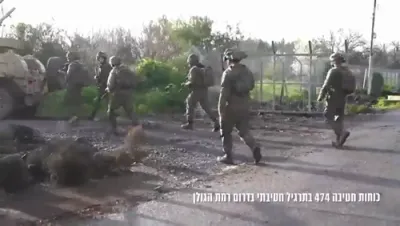
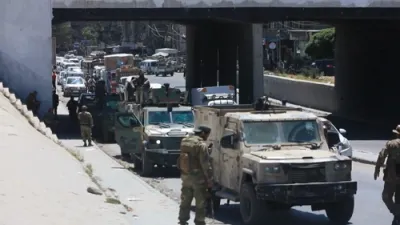
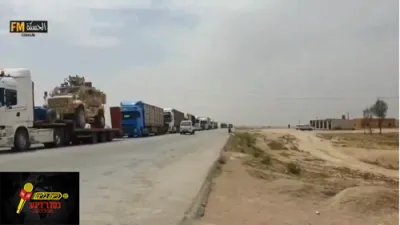
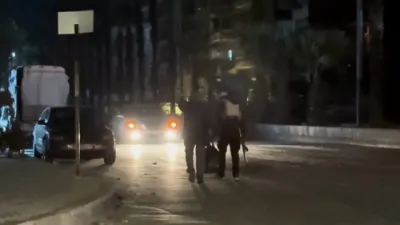
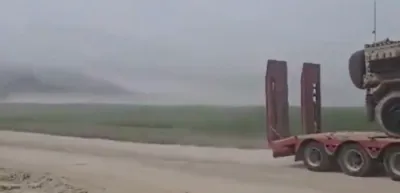
Video footage circulating from the ground shows armed men carrying rifles and waving Syrian flags as they move through dusty streets lined with vehicles and buildings. The images appear to capture the arrival of government-affiliated forces into zones that until recently operated under SDF authority. For communities that had grown accustomed to local Kurdish-led security arrangements, the sight of these new units has heightened anxiety. Many residents recall earlier periods when jihadist organizations held sway in parts of the northeast and fear a return to similar conditions. The emotional reaction has been strong, with some voices publicly calling for international attention and support.
Beyond the immediate security handover, practical questions remain about Kurdish cultural and civil rights. Concerns have been raised regarding the continuation of Kurdish-language education, the protection of local administrative practices, and the overall safety of the population under the new arrangements. Integration of fighters into the national army is described as partial rather than complete, leaving some former SDF members in an unclear position. Local leaders and ordinary citizens alike are watching closely to see whether the incoming authorities will respect existing community structures or impose tighter central control. The answers to these questions will shape daily life in the affected areas for the foreseeable future.
The broader context involves the long struggle of Syrian Kurds to maintain a degree of self-governance amid the country’s complex civil conflict. For years the SDF served as the primary military force shielding these communities from multiple armed threats, including jihadist factions. Its dissolution and the subsequent entry of forces tied to an Islamist-oriented central government represent a fundamental reversal of that earlier order. Supporters of the change argue it restores national unity and ends parallel military structures. Critics counter that it exposes a vulnerable population to potential marginalization or worse.
As Syrian government forces continue to consolidate their presence in former SDF territory, the situation of the Kurds remains precarious and closely monitored. The combination of military integration, political realignment, and visible deployments has created a new reality on the ground. Whether this transition leads to stable governance or renewed hardship will depend on the policies implemented in the coming weeks and months. For many in the affected communities, the immediate sense is one of uncertainty and apprehension about living once again under authorities they view with deep distrust.