ZAMIR TO SYRIA: IDF Chief Zamir Draws Red Line In Syria After Airbase Strike - "We Won't Let Enemies Dig In Near Israel"
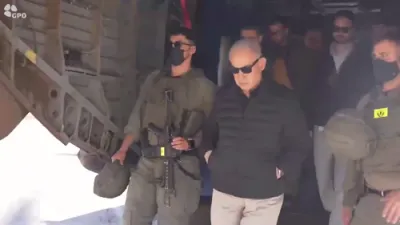
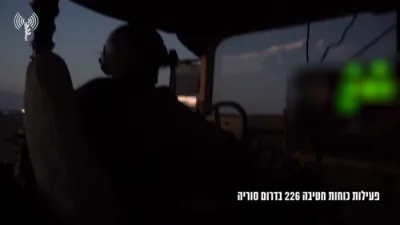
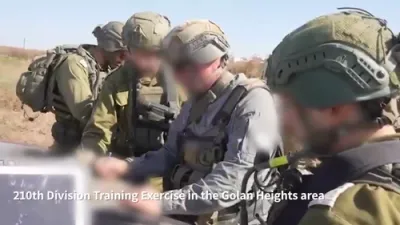
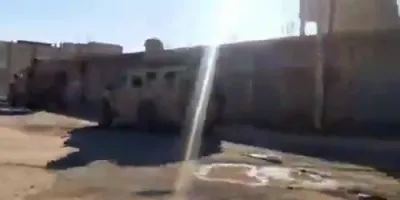
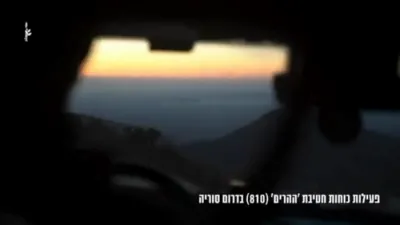
IDF Chief of Staff Lt. Gen. Eyal Zamir made a pointed visit to the Israeli-held buffer zone in southern Syria on Wednesday, just a day after Israeli warplanes struck the Abu al-Duhur military airbase in Syria's Idlib province. Standing alongside the Commander of the Northern Command and the Commander of the 210th Division, Zamir received an operational briefing on the sector and spoke directly with reservists stationed in the area. His message was unambiguous: the military will not allow hostile forces to establish themselves along Israel's borders. The timing of the visit, so soon after the strike, left little doubt that Zamir wanted the message delivered both to his own troops and to anyone watching from across the border.
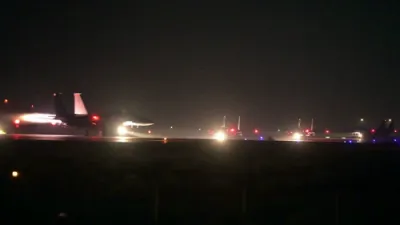
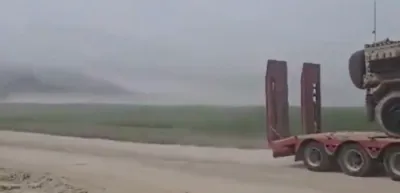
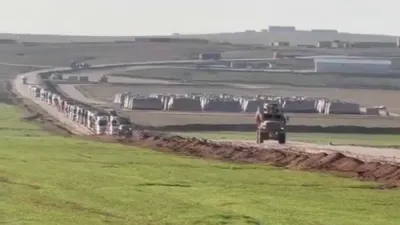
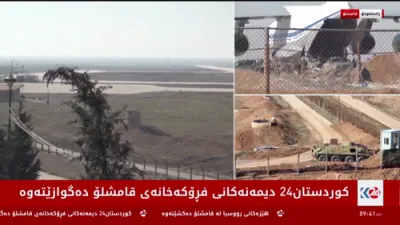
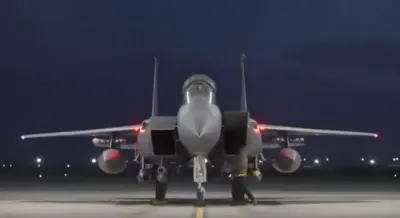
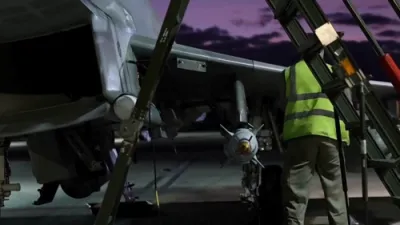
The airbase strike itself was no minor operation, involving multiple waves of airstrikes that hit the runway and storage facilities at Abu al-Duhur, located roughly 70 kilometers from the Turkish border. Israel's Prime Minister's Office later confirmed responsibility, stating that Syria had been on the verge of breaching an agreed security status quo by allowing Turkish troops to deploy at the airbase near Aleppo. Israeli officials say they repeatedly warned Damascus that such a deployment would pose a direct threat to Israeli security, but that Syria chose to ignore those warnings. Turkey, for its part, denied having any military presence at the base, calling Israel's justification a pretext for destabilizing the region.
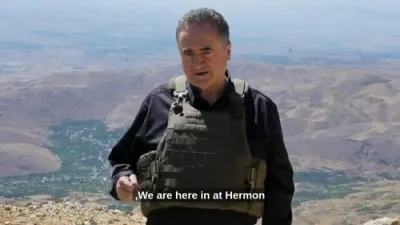
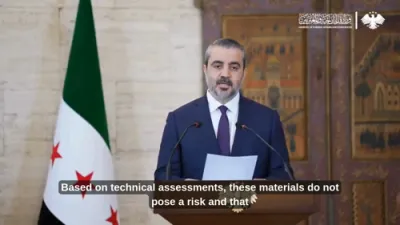
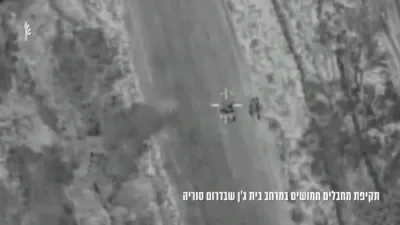
The strike and Zamir's subsequent visit come at a delicate moment for Syria, which is still navigating a fragile transition following the fall of the Assad regime in December 2024. Israel has steadily expanded its military footprint in the country since then, occupying a demilitarized buffer zone that includes Mount Hermon and conducting regular incursions deeper into Syrian territory. Damascus condemned the airstrikes as an unjustified act of aggression and called on the international community and the UN Security Council to take a firm stand against what it described as repeated violations of Syrian sovereignty. The United States also weighed in critically, with its envoy for Syria calling the strikes an unnecessary escalation that does nothing to advance regional stability.
Analysts see the episode as more than just a strike on a runway, it's widely viewed as a calculated signal to both Damascus and Ankara that Israel intends to prevent Syria from rebuilding meaningful air power or hosting a rival regional force so close to its border. Turkey's growing footprint in post-Assad Syria has become a particular concern for Israeli officials, with some describing Ankara's expanding influence in the region as a serious long-term threat. Zamir's visit to the buffer zone, paired with his blunt public warning, underscores that Israel is prepared to act preemptively rather than wait for a threat to fully materialize. With tensions still simmering and no clear diplomatic resolution in sight, the situation along Israel's northern frontier remains highly volatile.