ECONOMIC D-DAY: Bessent Vows to Sever Every Iranian Lifeline to the World
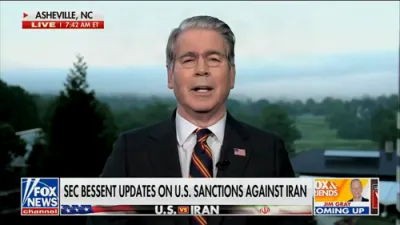
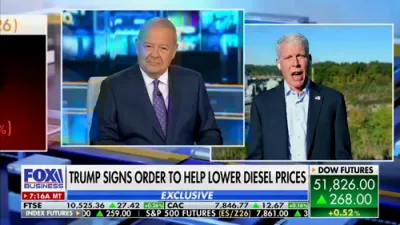
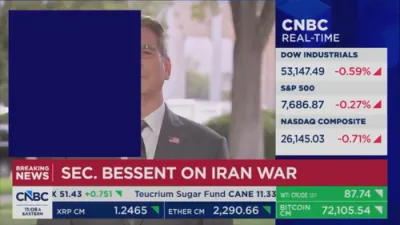
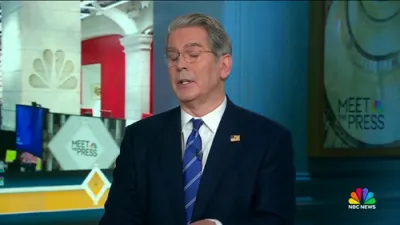
Speaking to Fox News from Asheville, North Carolina, Treasury Secretary Scott Bessent laid out an aggressive new strategy aimed at cutting Iran off from the rest of the global economy entirely. Bessent described the effort in blunt terms, saying the United States is going to sever every tie that Iran has to the outside world and calling it an "all hands on deck" undertaking involving the full weight of American economic power. His comments came on the sidelines of the G20 finance ministers meeting, where he used the platform to rally allies behind the campaign rather than simply announcing it as a unilateral American action. The tone was less bureaucratic policy talk and more a declaration of economic warfare against a regime Washington has spent months trying to isolate.
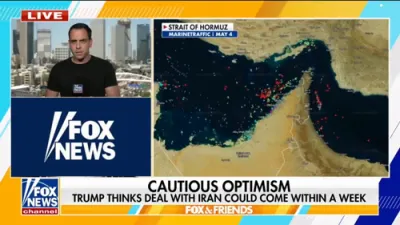
Bessent's remarks tie directly into what the administration is calling Operation Economic Outcast, a sweeping sanctions campaign launched in late August 2026 that goes well beyond the traditional targeting of Iranian oil exports. The operation is designed to choke off Iran's revenue from shipping, digital assets, technology imports, gold reserves, and aviation, using expanded secondary sanctions that threaten to punish foreign companies and banks for merely doing business with Tehran. That secondary sanctions approach is significant because it extends the pressure campaign far beyond Iran's own borders, effectively forcing other countries and financial institutions to choose between maintaining ties with Iran or keeping access to the U.S. dollar-based financial system. Bessent has previously described this as a "one-two punch," combining the sanctions push with a naval blockade that has already sharply reduced tanker traffic through the Strait of Hormuz.
The scale of the ambition here is hard to overstate. In earlier remarks, Bessent described the campaign as an "economic D-Day," calling it the single greatest financial offensive ever assembled against an adversary, and said the explicit objective is to sever every economic lifeline sustaining the Iranian government until the country stands completely alone on the world stage. He has also warned that any nation or entity willing to defy the sanctions regime, whether through purposeful business dealings or simple negligence, will find itself cut off from the U.S. dollar system just as quickly as Iran itself. At the G20 gathering, he pushed European counterparts and other allies to formally back the campaign, and the European Commission has already signaled it welcomes the pressure and remains open to taking further action of its own against Tehran.
The stakes attached to this economic offensive are tied directly to a war that has now stretched past the six-month mark. Bessent has argued that the U.S. military has already significantly degraded Iran's military capabilities and weakened its nuclear program, framing the current sanctions push as the "endgame" phase of a broader strategy to force the regime's collapse. When pressed on how long it might take for Iran's economy to buckle under the pressure, Bessent suggested it could happen within weeks or months, though he was careful to note that total economic collapse isn't strictly necessary, only enough pressure to bring Tehran's leadership to the negotiating table. Whether that timeline holds remains to be seen, but for now, the administration's message is unambiguous: no financial connection to Iran, however small or indirect, is meant to be safe from this new wave of sanctions.