NO CHOICE FIGHT: PM Netanyahu Declares Israel Battles While West Refuses to Engage
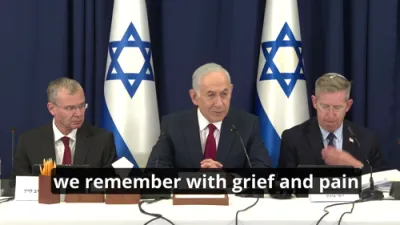
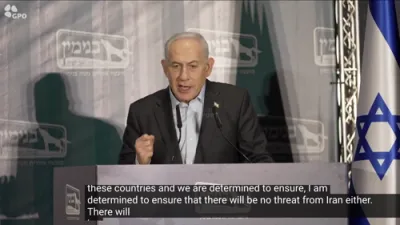
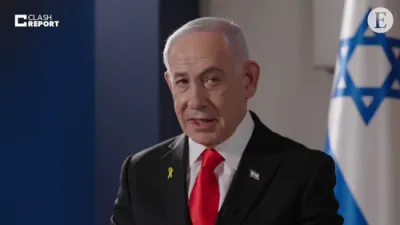
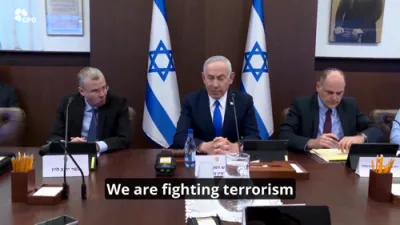
Israeli Prime Minister Benjamin Netanyahu recently underscored what he sees as a fundamental difference between Israel and Western democracies, stating that both face situations with no real alternatives yet respond in opposite ways. In the Western world today, he said, the democracies also have no choice but they do not fight, while Israel has no choice and does fight. Netanyahu framed this contrast as the core of Israel’s unique national character in the face of existential threats. He presented the willingness to take military action as a necessary and defining response rather than a preference. The comments come amid ongoing regional conflicts where Israel has repeatedly asserted that survival demands active defense. By drawing the comparison so sharply, Netanyahu positioned Israel’s approach as one of determined engagement against dangers that other free societies prefer to avoid or downplay.
The prime minister’s remarks highlight a recurring theme in his public messaging about national resolve and the costs of hesitation. He argued that Israel’s circumstances leave it with no option but to confront threats head-on, even when the fighting is prolonged and costly. In contrast, he suggested that Western democracies, facing their own pressures, often choose inaction despite similar constraints. The statement has sparked discussion about how different societies measure the need for force in defense of their security and values. Supporters of Netanyahu’s view see it as a clear-eyed assessment of why Israel continues to prioritize military readiness and operations. Critics may question whether the characterization of Western responses is fair or complete. Either way, the comments reinforce Netanyahu’s long-standing emphasis on Israel’s readiness to fight when it believes survival is at stake.