HANDED A MEGAPHONE: El-Sayed Admits Trump's Attacks Are Fueling His Campaign
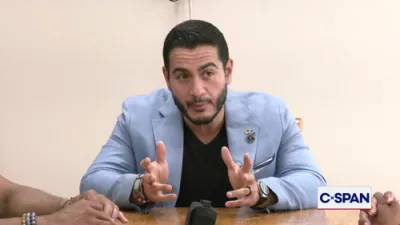
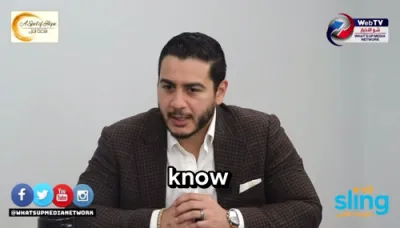
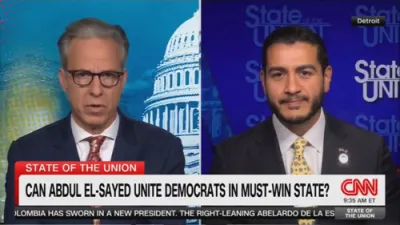
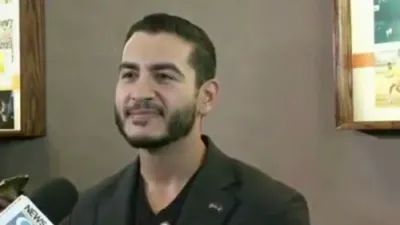
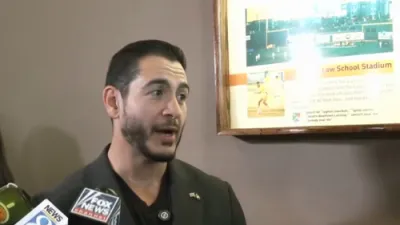
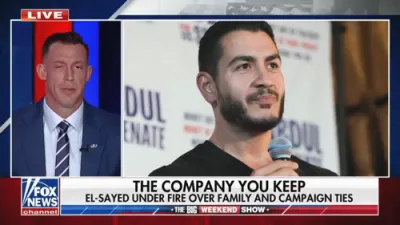
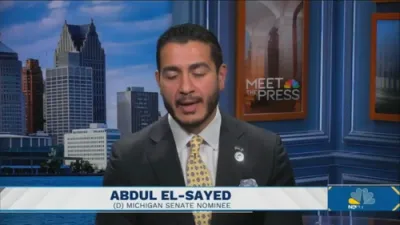
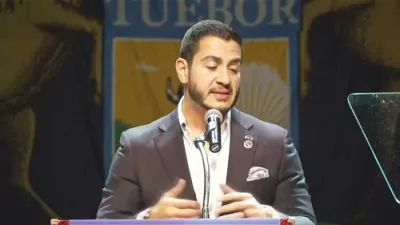
Abdul El-Sayed, the self-described progressive who narrowly edged out Rep. Haley Stevens in Michigan's Democratic Senate primary, is now openly admitting that his campaign's newfound national attention has almost nothing to do with his own message and everything to do with President Trump's willingness to keep talking about him. Speaking to supporters on the campaign trail, El-Sayed said Trump was "messing around" and making him the "front page" and "main character" of the midterms, adding that the platform this creates would let him "move a conversation" if he wins in November. It's a striking admission from a candidate: rather than building momentum through his own ideas, El-Sayed appears to be counting on his opponent's criticism to do the heavy lifting for him.
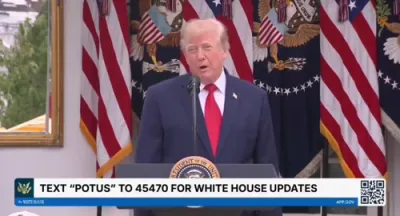
Trump's attacks have been pointed. Following El-Sayed's primary win, the president labeled him a "Communist loser" and accused him of harboring hostility toward Jews and Israel, comments that generated exactly the kind of headlines El-Sayed now says he welcomes. Rather than distancing himself from the socialist label that has dogged his career, El-Sayed has leaned into the controversy, at one point daring Trump to "come at us" during a radio appearance. Critics argue this is a calculated strategy from a candidate who has spent years associated with democratic socialist figures like Bernie Sanders and Alexandria Ocasio-Cortez, and who may need the spotlight precisely because his policy positions, including abolishing ICE and Medicare-for-all, are difficult sells in a state Trump carried in 2024.
What El-Sayed frames as a savvy strategic advantage looks to many observers like an admission that his candidacy is being propped up by manufactured outrage rather than substance. He faces Republican Mike Rogers, a former congressman with a long record in Michigan politics, in a race that national Republicans have suggested could be more winnable against El-Sayed than it would have been against the more moderate Stevens. By El-Sayed's own account, he's counting on the attention generated by Trump's insults, not a groundswell of support for his actual agenda, to carry him across the finish line. That's a bet that could easily backfire if Michigan voters decide the spectacle matters less than the policies being proposed underneath it.
Whether that gamble pays off will likely hinge on how the broader electorate reacts to months of national attention focused on a single Senate race in a swing state. El-Sayed's own team has expressed confidence, with some election forecasters giving him a solid chance of winning as of late summer. Still, the fact remains that his own words suggest a campaign leaning heavily on controversy manufactured by an opponent, rather than one built primarily on independent momentum. For a state that has shown a willingness to break from party establishment picks, the coming months will test whether being the "main character" is actually a winning strategy or simply a louder path to the same outcome.
For balance, it's worth noting that El-Sayed and his allies would frame this differently: his supporters argue Trump's attacks are unprompted, that he's simply refusing to be intimidated, and that his platform (Medicare-for-all, campaign finance reform, and opposition to what he calls billionaire-driven politics) stands on its own regardless of the attention it draws. Polling ahead of November has shown him competitive in the race.