THE 72-HOUR CEASEFIRE: Putin Explains Kyiv Pause to U.S. Peace Brokers
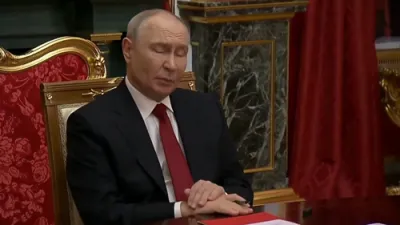
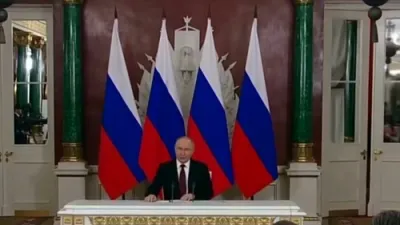
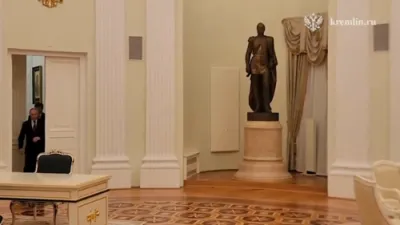
Sitting across from U.S. envoys Jared Kushner and Steve Witkoff in Moscow, Russian President Vladimir Putin laid out in his own words how a temporary halt on strikes against Kyiv came about, describing a request that moved through formal diplomatic and intelligence channels before reaching his desk. "We received the request to halt strikes against Kyiv through official channels, the specialized services and the foreign ministry channels," Putin told the envoys, adding that he personally issued the order. "I gave an order, a respective order, starting from this midnight to pause the strikes." The Kremlin later confirmed the details publicly, with spokesperson Dmitry Peskov telling Russian state media that no strikes would be carried out against Kyiv for three days starting at midnight, a decision explicitly tied to preparations for the American envoys' upcoming visit to the Ukrainian capital.
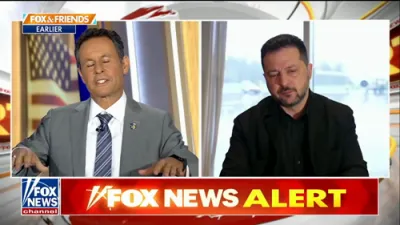
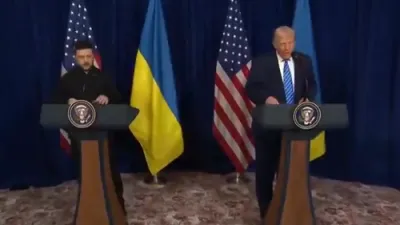
Putin was careful, however, to draw a distinction between what Russia actually agreed to and what Ukraine had separately proposed. "The Ukrainian authorities published their call for a broader ceasefire for three days, but this was something we did not agree upon with them," he said, making clear that Moscow's pause applied specifically and narrowly to Kyiv rather than to the wider war effort across Ukrainian territory. Ukrainian President Volodymyr Zelensky had indeed floated a more expansive arrangement, announcing that Ukraine was prepared to refrain from striking Moscow through Monday and expressing hope that Russia would reciprocate in kind. Whether that broader mutual pause materializes in practice or remains limited to Kyiv and Moscow specifically is still an open question, one that will likely become clearer as the three-day window plays out.
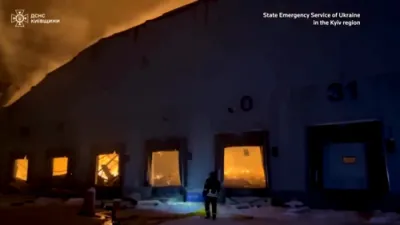
Putin also framed the pause as a practical necessity tied directly to the safety of the negotiations themselves, telling the envoys, "We will do our utmost to provide for the safety of the negotiations and the brokers." That concern wasn't purely theoretical. Zelensky had reported that Russian missiles struck two airports near Kyiv, including Boryspil, just before the pause took effect, strikes he suggested were possibly linked to preparations for the American delegation's expected arrival in Ukraine by aircraft. Putin also pointed to a broader easing in hostilities, noting reduced Ukrainian strikes on Russian territory, including Moscow, a claim that suggests both sides may already be quietly de-escalating in the run-up to the talks even without a formally negotiated mutual ceasefire.
The meeting in Moscow represents the latest chapter in a diplomatic push that has repeatedly stalled since Witkoff and Kushner last visited the Kremlin back in January, a gap partly explained by Washington's attention shifting toward its escalating conflict with Iran over the past six months. Having landed in Moscow on what happened to be Moscow City Day, the envoys were greeted at the airport by Russian presidential envoy Kirill Dmitriev, who welcomed them on social media as "Peacemakers." From here, Witkoff and Kushner are expected to travel on to Kyiv for their first-ever visit to the Ukrainian capital, where they'll present the same Trump administration proposal directly to Zelensky. Whether this narrowly tailored, capital-specific pause becomes the first real building block toward a lasting ceasefire, or simply another temporary lull in a war now stretching into its fifth year, will likely hinge on what comes out of that Kyiv meeting.