PEACE TALKS GAIN MOMENTUM: Zelenskyy Backs Freezing Ukraine Frontlines to End the War
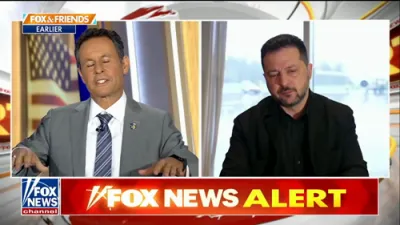
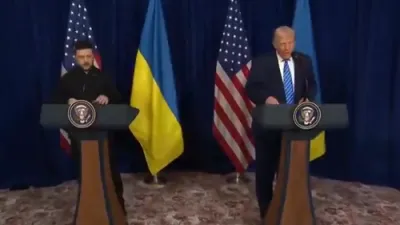
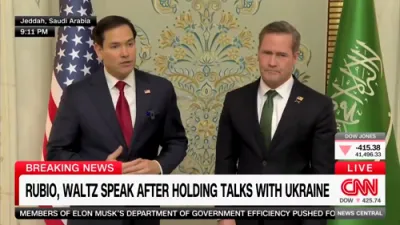
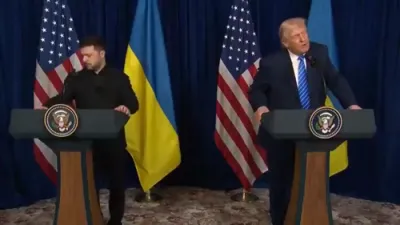
Ukrainian President Volodymyr Zelenskyy has signaled support for freezing the current frontlines as a potential path toward ending the war with Russia, raising fresh hopes for progress in the Trump administration’s latest diplomatic push. Following talks with U.S. special envoy Steve Witkoff in Oslo on October 20, Zelenskyy said Ukraine needed to halt the fighting and move toward negotiations. “Yes. Right now, we have to freeze. This is the real way to end this war,” he said in an interview with Fox News, describing a ceasefire as an important step toward a broader agreement. The proposal would aim to stop active fighting along the existing battle lines without necessarily resolving the disputed territorial claims or formally recognizing Russian control over occupied Ukrainian land. Under the current territorial picture, Ukraine retains the majority of its internationally recognized territory, while Russia continues to occupy substantial areas in the east and south. Zelenskyy has also emphasized that any lasting settlement must include security guarantees to help prevent another Russian invasion.
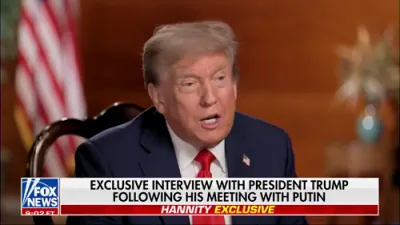
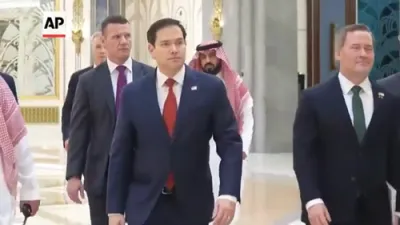
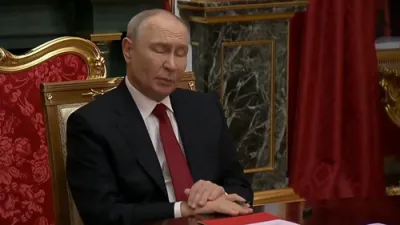
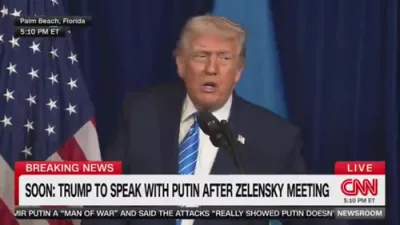
The diplomatic developments come as Witkoff has held separate talks with Russian President Vladimir Putin in St. Petersburg, where the Kremlin indicated that Moscow was willing in principle to resume negotiations with Ukraine and the United States in November. Russia’s release of American prisoner Stephen Hubbard during the visit provided another concrete development, although it remains unclear whether the gesture will lead to progress on the larger peace negotiations. President Donald Trump has pursued efforts to end the conflict for months, and supporters of his approach may view Zelenskyy’s willingness to discuss a frontline freeze as evidence that diplomacy is opening new possibilities. However, a ceasefire would still require agreement on its terms, monitoring arrangements, security guarantees and the consequences of any violations. Moscow’s position on territorial control and Kyiv’s demand for credible protections remain major obstacles to a comprehensive settlement. Whether this diplomatic opening produces an actual halt to the fighting will depend on what Russia, Ukraine and their international partners are prepared to accept at the negotiating table.