SPLIT-SECOND SAVE: IDF Redirects Munition Mid-Flight After Gaza Civilians Suddenly Gather Near Hamas Terrorist
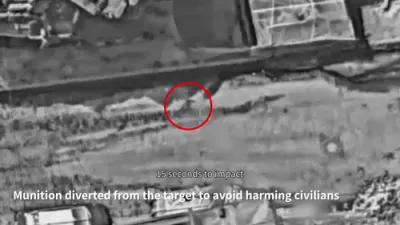
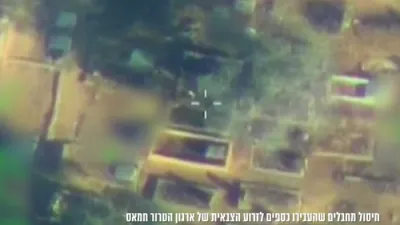
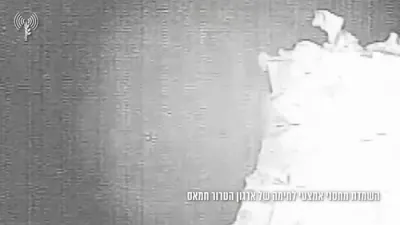
The Israel Defense Forces say they redirected a munition in real time during a strike in Gaza after civilians suddenly gathered near a targeted Hamas military wing terrorist. According to the military, the civilians were identified only after the munition had already been released and could no longer be canceled. Operators then diverted the weapon away from its original path to prevent potential harm to non-combatants. The IDF released footage of the incident to illustrate the decision-making process involved.
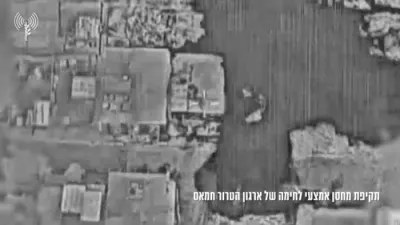
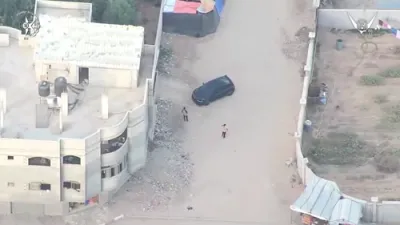
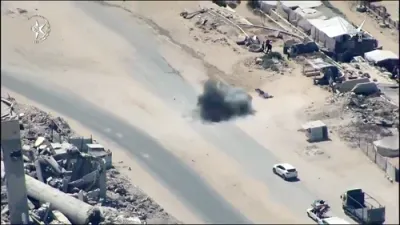
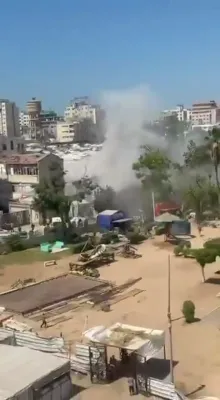
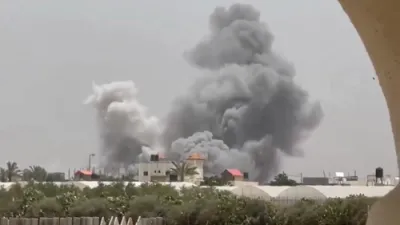
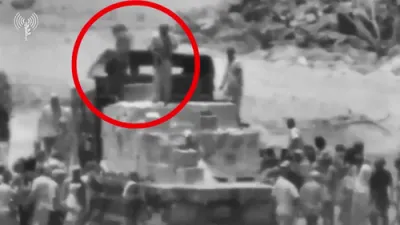
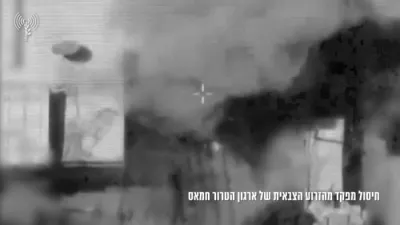
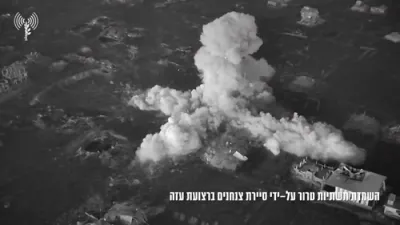
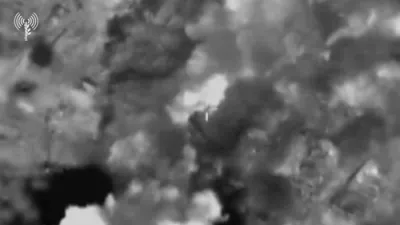
In the released video, the terrorist is seen moving through the designated area before a group of people approaches his vicinity. Authorization for the strike had already been given and the munition launched when the gathering was detected. Because aborting the weapon was no longer possible, forces adjusted its trajectory in flight. The munition ultimately struck a nearby building, which sustained damage from the impact. It is not known whether anyone was inside that structure at the time.
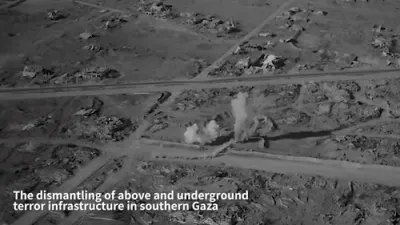
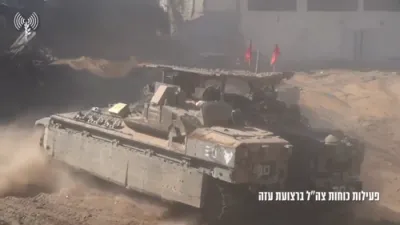
The IDF described the episode as an example of its ongoing efforts to distinguish between terrorists and civilians while conducting operations in Gaza. Military statements emphasized the use of real-time intelligence and the willingness to alter strike parameters even after a munition is in the air. Officials noted that such decisions are made under strict time constraints and reflect procedures designed to minimize civilian casualties whenever feasible. The incident occurred during continued targeted operations against Hamas operatives in the territory.
Israel has long maintained that Hamas embeds its fighters and infrastructure within civilian areas, complicating efforts to conduct precise strikes. The military regularly cites precautionary measures, including warnings, surveillance and the ability to divert or abort attacks when conditions change. Critics of Israeli operations in Gaza often point to the high number of civilian deaths reported over the course of the conflict and question the effectiveness or consistency of those measures. The IDF presents cases like this one as evidence of active efforts to reduce harm.
Footage of the redirected munition has been circulated by the military as part of its public communications. The video shows the sequence from target identification through the late decision to change course. Analysts note that the technical ability to adjust a munition after release depends on the specific weapon system and available guidance technology. In this instance, the IDF stated the diversion was executed successfully to move the impact point away from the civilians who had entered the area.
As operations continue in Gaza, incidents involving last-moment adjustments highlight the challenges of urban warfare and the competing priorities of targeting armed groups while protecting non-combatants. The IDF’s decision to publicize this particular case underscores its emphasis on the distinction principle in its messaging. Further details about the identity of the targeted individual or the precise location of the strike have not been released beyond the basic outline provided by the military.