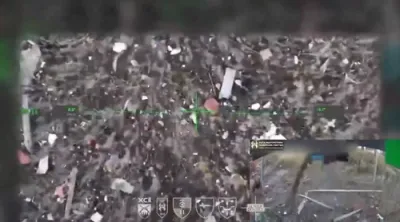
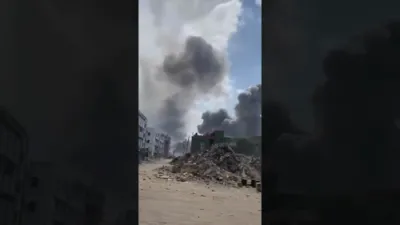
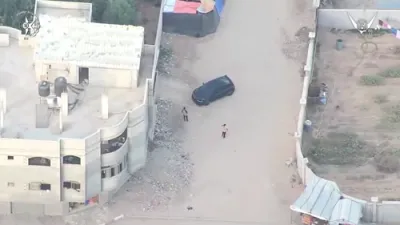
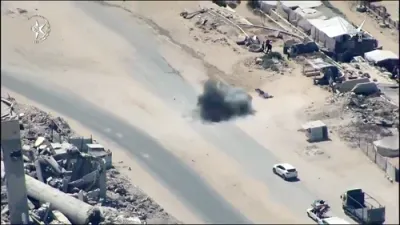
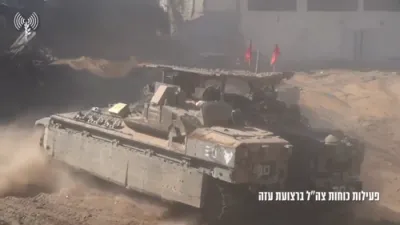
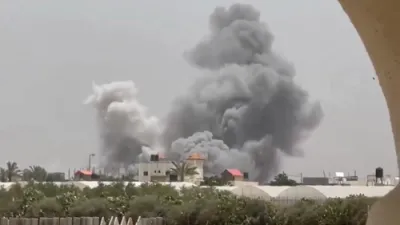
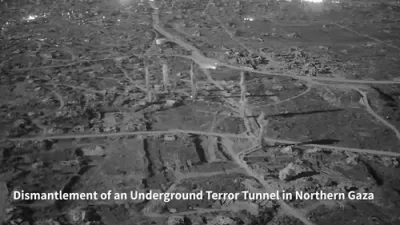
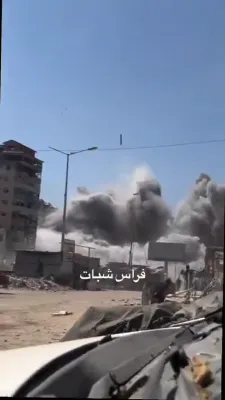
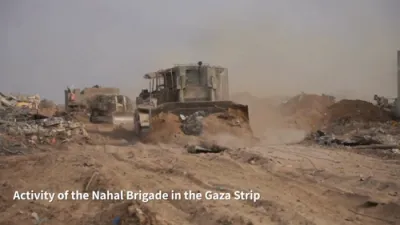
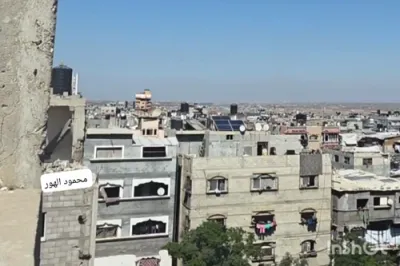
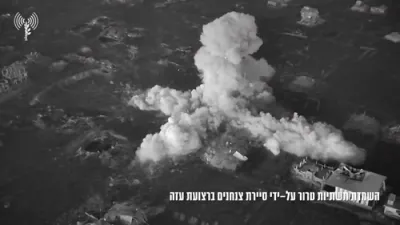
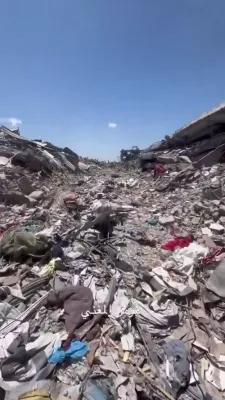
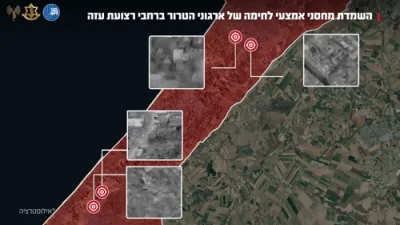
IDF STRIKES HAMAS: Five Weapons Depots And Launch Site Destroyed Across Gaza.
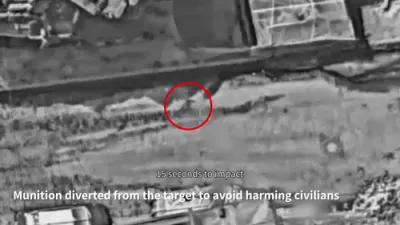
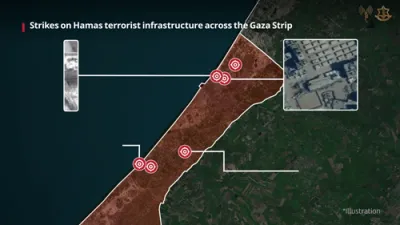
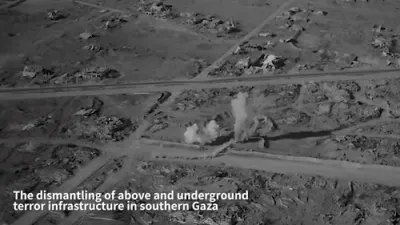
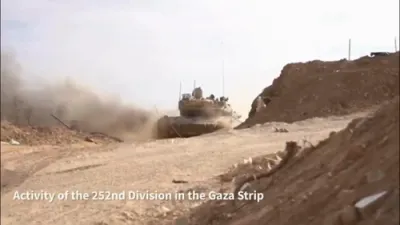
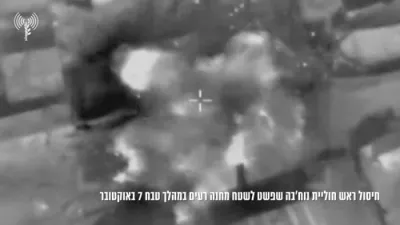
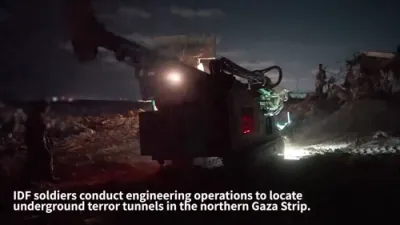
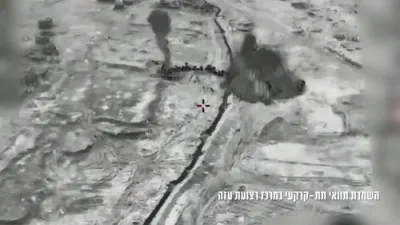
The Israeli Air Force struck five Hamas weapons depots and a rocket-launch site across the Gaza Strip, according to the IDF and Shin Bet, in a series of operations carried out on August 24. Israeli officials said the weapons facilities contained rockets, firearms, explosives and other military equipment intended for attacks against Israeli forces. The military said the sites were positioned inside mosques and alongside humanitarian infrastructure, putting military activity in close proximity to civilian locations.
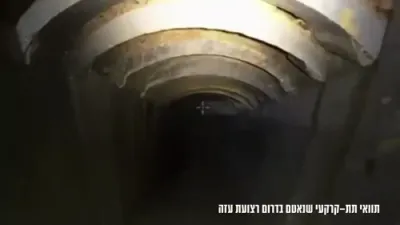
The strikes have renewed attention on Israel’s long-standing accusation that Hamas embeds military infrastructure within civilian areas. The IDF says its forces have repeatedly discovered weapons storage facilities, rocket launchers and other military installations inside or near mosques, schools, hospitals and residential neighborhoods across Gaza. Israeli officials argue that placing weapons in such locations creates additional risks for civilians while making Israeli military operations considerably more difficult.
According to the military, residents in the affected areas were warned before the latest strikes as part of efforts to reduce the danger to civilians. The IDF and Shin Bet described the attacks as “a clear warning” to Hamas, emphasizing that Israel would continue acting against what it identifies as terrorist infrastructure threatening Israeli troops and civilians. The military has also said that intelligence gathering, aerial surveillance and precision weapons are used in operations where civilian infrastructure is involved.
The strikes come as Israel continues to confront Hamas military infrastructure that it says remains embedded throughout Gaza, even amid efforts to maintain broader ceasefire arrangements. Hamas and Palestinian officials have disputed Israeli accounts of military activity in civilian locations, while independent reporting has noted that the IDF has not publicly provided evidence for every specific weapons-site claim. That makes the latest operation part of a continuing battle not only over military targets, but also over competing claims about how Hamas operates within Gaza’s civilian environment.
For Israel, the message from the operation is unmistakable: weapons stockpiles and rocket-launch positions will remain targets regardless of whether they are placed inside religious or humanitarian surroundings. For Hamas, the strikes demonstrate the continuing vulnerability of military infrastructure that Israeli intelligence can locate and attack from the air. The larger question is whether repeated destruction of weapons depots will significantly reduce Hamas’s ability to threaten Israeli forces—or whether the group will continue rebuilding its military network in the same civilian environments.