ISLAMIST APPEAL ALLEGED: El-Sayed Calls Iran-Israel Threat Question Ridiculous
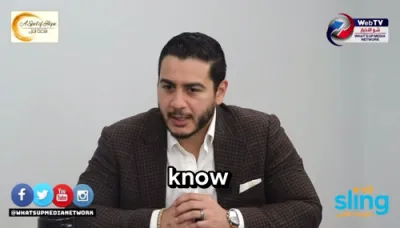
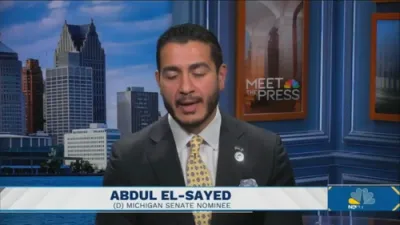
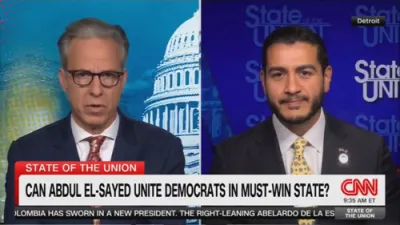
Michigan Democratic Senate nominee Abdul El-Sayed refused to declare Iran a greater threat to the United States than Israel during a recent debate, repeatedly calling the question a “ridiculous hypothetical.” When pressed by the moderator, El-Sayed stated that both nations “have proven dangerous in their own way,” arguing one risks attacking the US while the other pulls America into unnecessary wars. The exchange occurred in his face-off against Republican Mike Rogers and quickly drew sharp criticism from those who noted Iran’s long record of exporting terrorism and killing Americans. El-Sayed, a progressive Muslim-American physician and former Detroit-area health official who won the 2026 Democratic primary, has long advocated ending US military funding to Israel. Critics accused him of prioritizing the Islamist vote by declining to make the clear distinction many see as obvious.
The 33-second clip of the exchange spread rapidly, amplifying concerns about El-Sayed’s foreign-policy stance in a closely watched Senate race. He maintained that Israel has lobbied the United States into conflicts it should avoid, while acknowledging Iranian aggression in the region. Rogers positioned himself as a strong supporter of Israel’s right to defend itself. El-Sayed’s refusal to rank the threats left opponents arguing he failed a basic test of national-security clarity. With the November election approaching, the moment has become a focal point for voters evaluating which candidate better understands the difference between an ally and a regime that sponsors terrorism. The debate underscored deep divides over America’s role in the Middle East and the priorities of progressive candidates.