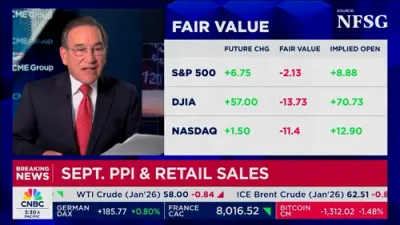
WHOLESALE COST BOMB: PPI Explodes 1.3 Percent in September as Gasoline Prices Soar 20 Percent
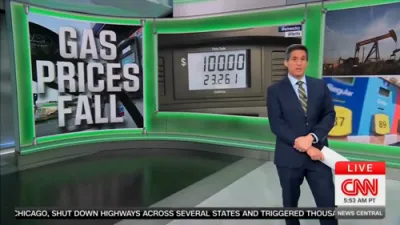
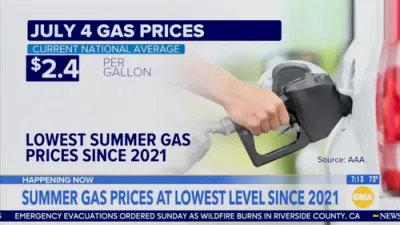
U.S. producer prices jumped in September at the fastest monthly pace in more than four years, sending a clear signal that inflationary pressures are building again across the economy. The Producer Price Index surged 1.3 percent from the previous month, the largest gain since March 2022, and climbed 6.3 percent compared with a year earlier. The sharp rise was driven mainly by a 10.8 percent spike in energy prices, which included a striking 20.3 percent jump in gasoline costs. Even when food and energy are stripped out, the core PPI still rose a robust 0.7 percent month-over-month and 5 percent year-over-year, both figures coming in hotter than economists had expected. These numbers point to inflation spreading beyond just energy and into broader wholesale costs. The data arrives against the backdrop of ongoing conflicts in the Middle East that continue to influence global energy markets. Markets and policymakers are now watching closely as these higher wholesale prices begin working their way through the supply chain.
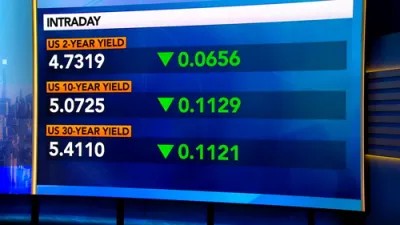
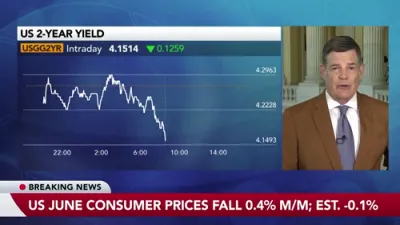
The latest PPI reading follows a hotter-than-expected consumer price report, adding fresh fuel to speculation that the Federal Reserve may need to consider additional rate hikes. Wholesale cost increases often eventually show up in the prices consumers pay at stores and gas stations, raising the risk of sustained inflation. Energy remains the standout driver this month, yet the strength in the core measure suggests underlying price pressures are broadening rather than remaining isolated. Businesses facing higher input costs may soon pass those expenses along to customers, potentially keeping inflation elevated for longer. The combination of strong energy gains and elevated core readings has heightened concerns that the disinflation progress seen in earlier periods could be stalling. Economists and investors are already adjusting their outlooks for monetary policy as the data reinforces the challenge of bringing price growth fully under control. The coming weeks will show how quickly these producer-level increases translate into everyday consumer prices.