INFLATION SHOWDOWN: Fed Governor Barr Threatens Rate Hike as Prices Stay Stubborn
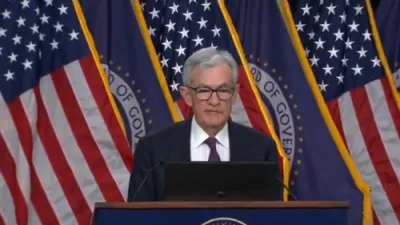
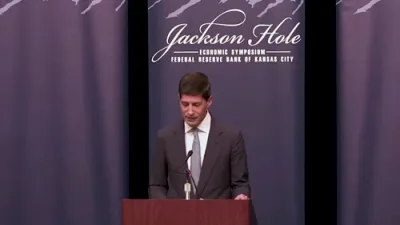
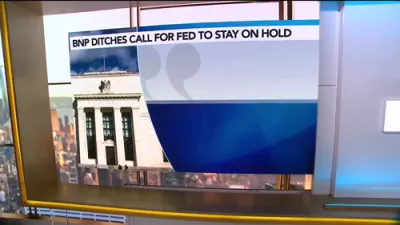
Federal Reserve Governor Michael Barr sent a clear warning to markets on September 1, telling a Washington banking forum that the central bank's patience has limits. Speaking ahead of the Fed's September 15-16 policy meeting, Barr said officials can afford to wait if incoming data shows inflation genuinely cooling toward the 2% target. But he was equally direct about the alternative, stating that if price pressures fail to moderate sufficiently, the Fed should act decisively and raise interest rates. His remarks landed as one of the more hawkish signals from a sitting Fed official in recent months, and they immediately rippled through bond yields and rate-hike expectations.
Barr didn't mince words about how long this problem has dragged on, noting that inflation has remained above the Fed's target for more than five years now. That kind of persistence, he warned, raises the risk that price pressures could become entrenched in the economy rather than fading on their own. Headline inflation currently sits around 3.7%, with core inflation running close behind, numbers that suggest the fight against rising prices is far from finished. Barr's comments suggest he sees this as a pivotal moment where the wrong move, or no move at all, could let inflation settle in for the long haul.
What makes this moment particularly tricky for the Fed is that the broader economy isn't showing obvious signs of strain. Consumer spending has remained resilient, unemployment is still low, and investment tied to artificial intelligence continues to run hot, all signs of an economy that isn't crying out for lower interest rates. That combination puts the Fed in an unusual position: strong growth alongside inflation that refuses to fully cool, a mix that historically has made central bankers nervous about cutting rates too soon. Barr's remarks reflect that tension directly, framing the decision less as a routine policy check-in and more as a genuine crossroads.
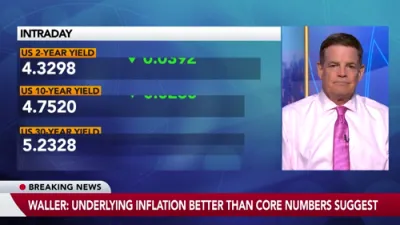
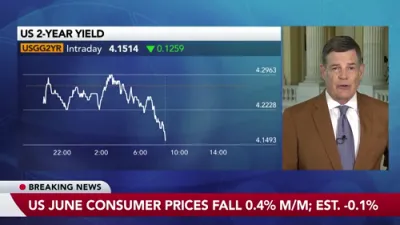
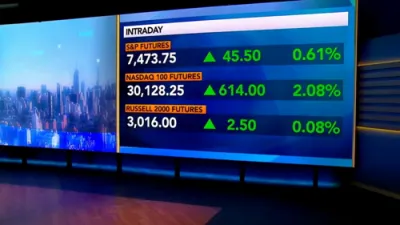
The timing of his comments matters just as much as the substance. With the FOMC's meeting only weeks away, Barr's warning adds pressure on his fellow policymakers to weigh the risk of moving too late against the risk of moving too aggressively. Markets have already started adjusting bond yields and rate expectations in response, treating his words as a signal that a rate hike is very much on the table if upcoming inflation data disappoints. Whether the Fed ultimately raises rates or holds steady, Barr's message was unmistakable: patience has a limit, and that limit is measured in the incoming numbers, not in hope.