NOT THE PALESTINIAN QUESTION: Rubio Names Iran Top Obstacle To Peace
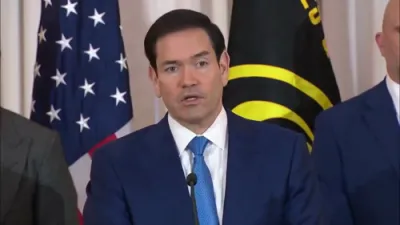
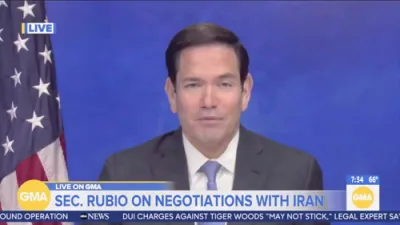
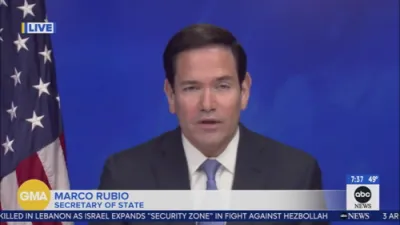
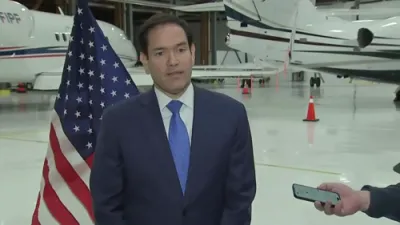
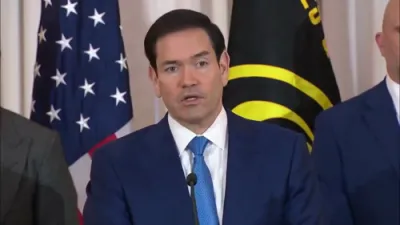
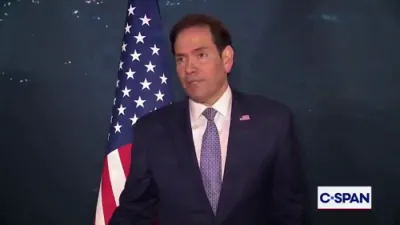
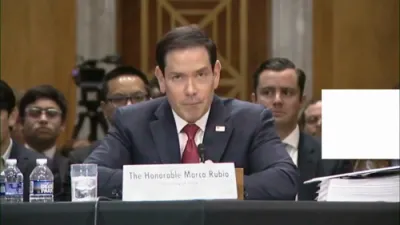
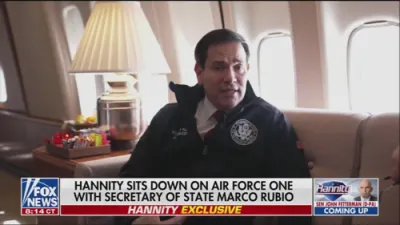
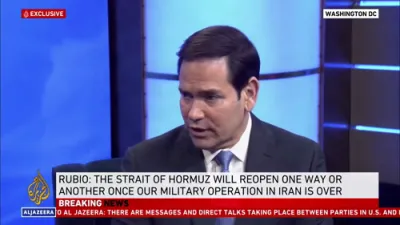
U.S. Secretary of State Marco Rubio has put Iran at the center of the Middle East’s troubles, and the comments are already stirring debate in Washington and across the region. Speaking to Breitbart in an interview after his address at the Acropolis in Athens, Rubio said that if Iran’s “radical Shia clerics” did not exist, “none of these problems would exist.” He admitted that a Palestinian issue might still remain, but argued it would be easier to deal with if Iran were out of the picture. He described Tehran as the number one driver of instability and war and the biggest obstacle to peace in the region. Rubio presented this as a break from the long-standing view among the American political class that the Palestinian question is the core issue behind Middle East peace.
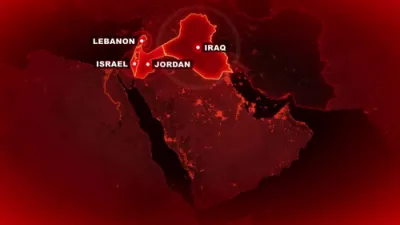
To back up his case, Rubio pointed to Iran’s support for Hezbollah in Lebanon, Shia militias in Iraq and the Houthis in Yemen, along with direct attacks he said Iran has launched on Saudi Arabia, the United Arab Emirates, Bahrain, Kuwait and Jordan. He argued that the region’s flashpoints all track back to the leadership in Tehran, and that naming the real driver of war is the first step toward fixing it. He also stressed that the Palestinian issue is important and not irrelevant, so his message was about priorities rather than dismissing it. It is a strong political assessment from a top U.S. diplomat, not an established fact, and plenty of critics and analysts see the Israeli-Palestinian conflict as having deep roots of its own that would not vanish with a change in Tehran. That leaves a big question hanging over Washington’s next moves, which is whether treating Iran as the root of the problem will bring peace closer or push the region into even deeper confrontation.