DOOMSDAY PLAN WITHOUT MACHINES: Iran Reportedly Preps Retaliation If Leadership Is Struck
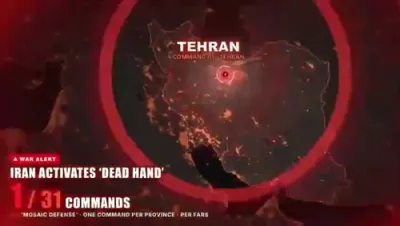
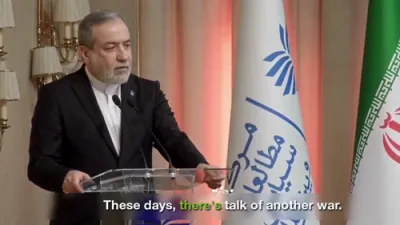
Reports say Iran has given regional commanders of the Islamic Revolutionary Guard Corps (IRGC) expanded authority to strike pre-listed US military, political and economic targets in the Middle East if central command breaks down. The arrangement is described as an activation of Iran's "mosaic defense" doctrine, a decentralized command system built to survive the killing of senior leaders. Iran's foreign minister, Abbas Araghchi, has already credited that doctrine publicly, saying every province is part of the mosaic after the US-Israeli strikes of February 28, which Israel and President Trump said killed about 40 Iranian leaders. Commentators have compared the setup to the Soviet "Dead Hand" system, which was designed to guarantee retaliation even if a country's leadership was wiped out. The key difference is that Iran's version relies on delegated human commanders rather than automation, and "Dead Hand" is an analysts' comparison, not an official Iranian term.
If the reports are accurate, striking Tehran's leadership would not end Iran's ability to hit back, and decisions would be spread across many hands instead of one. That could make escalation harder to predict and harder to stop, because local commanders would be acting on pre-set plans rather than fresh orders from the top. The specific claims about expanded authority and pre-listed targets have not been confirmed by Iranian officials, and they appear to rest on unnamed sources and outside analysis rather than an official announcement. The questions that remain are who decides when central command has truly "broken down," and what that would mean for US forces and allies across the region.