MARKET MELTDOWN WARNING — Treasury Selloffs, Rising Yields and Inflation Fears Fuel Alarms Ahead of Monday's Trading
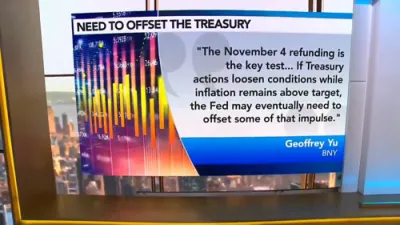
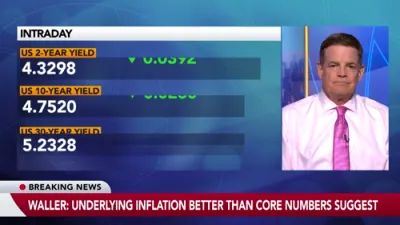
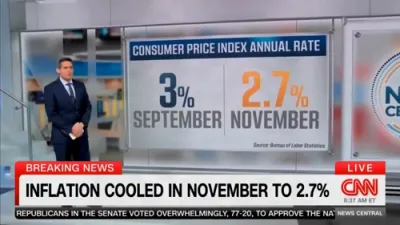
A dramatic warning about a potential financial meltdown ahead of November 2 is circulating among investors, as concerns over US government debt, rising Treasury yields, inflation and international market instability converge. Among the most significant developments is a sharp decline in China's artificial intelligence and semiconductor stocks, with the STAR50 index reportedly losing approximately 40% in less than four months and wiping out roughly $480 billion in market value. Meanwhile, questions about foreign demand for US government debt have renewed attention on the Treasury market, where Japan and China remain major international holders. However, claims that Japan is dumping $5.2 trillion and China is dumping $550 billion in US Treasuries require important clarification: those figures do not match their reported Treasury holdings, which stood at approximately $1.07 trillion for Japan and $591 billion for China in August 2026. Rising Treasury yields can increase government borrowing costs and put pressure on stocks, property markets and other risk-sensitive investments, particularly when investors are already concerned about inflation and economic growth. The combination of these developments has fueled warnings about the possibility of broader financial instability, although none establishes that a market crash is imminent.
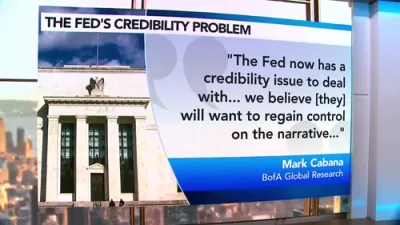
The concerns extend beyond government debt, with energy-market uncertainty and Federal Reserve liquidity operations adding to the debate over the stability of the financial system. Higher oil prices can increase transportation and production costs, potentially making inflation more difficult to control, while elevated borrowing costs can reduce investment and weigh on consumer spending. The Federal Reserve faces a complicated balancing act between maintaining financial stability and keeping inflation under control, since liquidity support does not automatically resolve underlying inflationary pressures. If Treasury yields continue rising alongside weakening investor confidence, multiple asset classes could face additional volatility, including equities, precious metals and cryptocurrencies. Nevertheless, predictions that stocks, gold and Bitcoin will inevitably collapse on Monday, November 2, or that 99% of investors will lose everything are speculative claims rather than established financial forecasts. As global markets approach another trading week, investors will be watching Treasury demand, Federal Reserve policy, inflation data and international developments for clearer indications of where financial conditions are heading.