FED ON EDGE: Waller Warns Hot Inflation Could Trigger Rate Hike
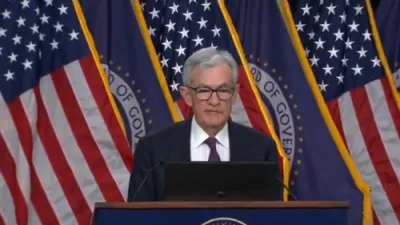
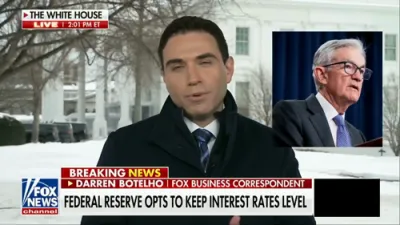
Federal Reserve Governor Christopher Waller has put the entire financial world on notice: his vote at the Fed's September meeting will come down almost entirely to one number. Speaking Thursday at a Reuters-hosted event, Waller said his next decision on interest rates will be "heavily influenced" by the August inflation data due out next week. He didn't stop there. Waller added that it might not take much of a surprise in that report to push him toward supporting a rate hike, a notably more hawkish signal than markets had been pricing in. With the Fed's policy rate currently sitting at 3.50% to 3.75%, Waller's comments instantly reshaped expectations for what happens next.
To be clear, Waller isn't rooting for a hike. He said he's willing to support holding the policy rate steady if the upcoming data shows continued progress toward the Fed's 2% inflation target, pointing to recent signs of disinflation as reason for cautious optimism. But he was equally blunt about the flip side: if inflation comes in hot, he would consider backing a rate increase instead. That kind of conditional, data-driven stance is classic Fed speak, but the timing makes it unusually consequential, since the two reports that will decide his vote, the Producer Price Index on September 10 and the Consumer Price Index on September 11, land just days before the Fed's September 16 announcement.
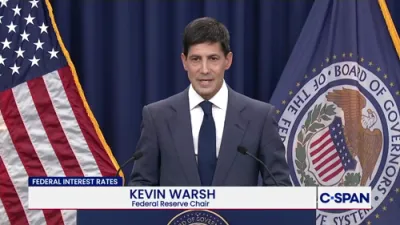
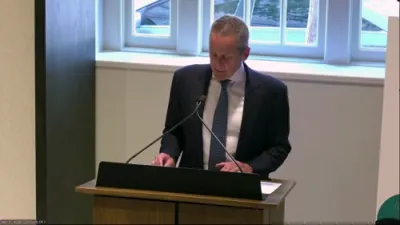
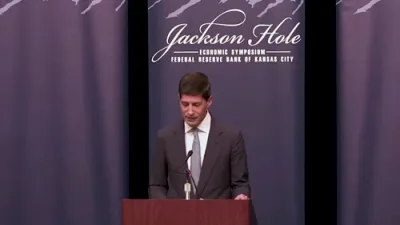
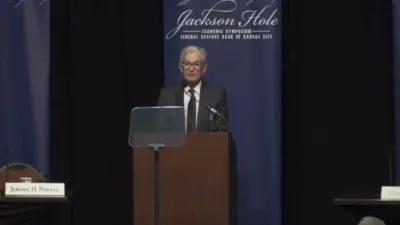
Waller's remarks didn't happen in a vacuum. They followed a July meeting where the Fed held rates steady on a 9-3 vote, with three officials pushing instead for a quarter-point hike, a split that shows just how divided policymakers already are. His comments also stood in noticeable contrast to Fed Governor Michael Barr, who said days earlier that inflation had stayed too high for more than five years and that the central bank should "act decisively" to raise rates if incoming data doesn't show enough progress. Even Fed Chairman Kevin Warsh has weighed in, suggesting at the Jackson Hole symposium that financial conditions might not currently be as restrictive as officials assume. Put together, these comments paint a picture of a Fed leadership team far from unified heading into September.
Markets have already started reacting to the uncertainty. Prediction platforms tracking the odds of a September rate hike have shown the probability hovering around the high-30s to 40 percent range in the days following Waller's comments, reflecting just how close this call really is. Analysts at major banks are similarly split, with some expecting a mild, on-target inflation print that keeps the Fed on hold, and others warning that persistent price pressures from tariffs, energy costs, and other factors could tip the balance toward a hike. Whatever the CPI report shows next Thursday, it's clear that Waller's vote, and possibly the whole direction of the Fed's September meeting, now rests on that single release.