HYPERCAR CRASH DRAMA: BYD's 3,000-HP Yangwang U9 Xtreme Crashes at 450 KM/H During High-Speed Test
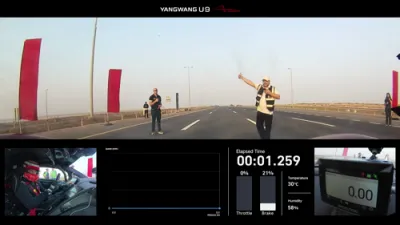
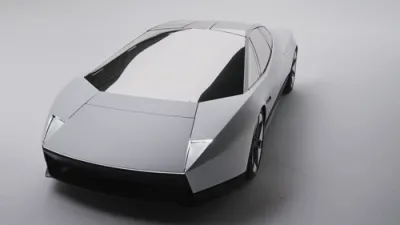
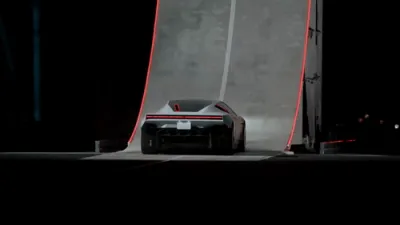
A dramatic video circulating from China shows BYD's Yangwang U9 Xtreme electric hypercar losing control and smashing into a guardrail during a high-speed test reportedly conducted at approximately 450 kilometers per hour (280 mph). The 26-second footage captures the violent collision from multiple camera angles, including an interior cockpit view showing the moment the vehicle veers off course. The approximately 3,000-horsepower electric supercar, equipped with four electric motors, was reportedly undergoing high-speed testing in early November 2026 as its development team prepared for an ambitious attempt to reach 500 km/h. Despite the tremendous force of the impact, the vehicle's carbon-fiber safety cell reportedly remained intact, allowing the driver to escape with only minor injuries. The incident demonstrated the extreme risks involved in testing vehicles at speeds approaching the limits of modern automotive engineering.
The crash did not reportedly end the team's high-speed development program, as testing resumed shortly afterward. During a subsequent run, the Yangwang U9 Xtreme reportedly reached 457.89 km/h before later achieving a production-car speed record of 503.17 km/h in Abu Dhabi. These reported achievements highlight BYD's efforts to push electric vehicle performance beyond conventional supercar benchmarks through advanced powertrain engineering and lightweight structural technology. The Yangwang U9 Xtreme's four-motor configuration delivers enormous power, but maintaining stability, tire integrity, and aerodynamic control at extreme speeds remains a significant engineering challenge. The driver's survival following the collision has also drawn attention to the importance of structural protection in vehicles designed for high-performance testing. The incident ultimately illustrates both the technological ambitions and considerable dangers associated with the race to develop the world's fastest production cars.