SPACEX MEETS TESLA: Tesla Roadster Trades Curves For Sharp Cybertruck-Style Angles
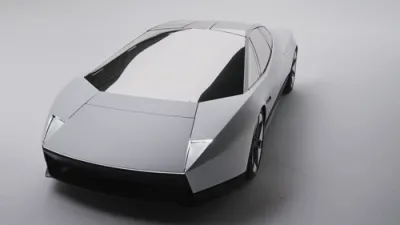
Tesla is closing the book on its curvy past. The company says its design language has evolved since the last reveal, moving from the sharp lineup to the sharp, geometric look of Cybertruck, Cybercab, and Optimus, and that the new Roadster takes direct inspiration from the SR-71 Blackbird spy plane and the F-35 fighter jet. Unveiled on October 15, 2026, at SpaceX's McGregor, Texas facility, the second-generation Roadster is a low, wedge-shaped supercar with angular, faceted panels, hidden headlights, a full-length taillight, and flush-mounted aerodynamics. Tesla showed it in stark white, a big departure from the smoother 2017 prototype, and the video also reveals a minimalist interior with racing-style seats.
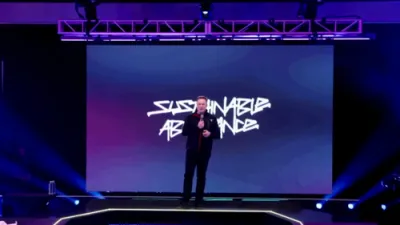
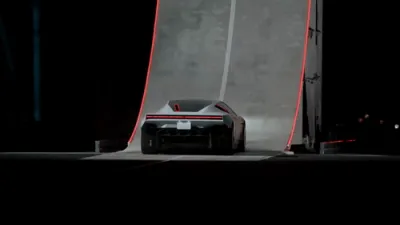
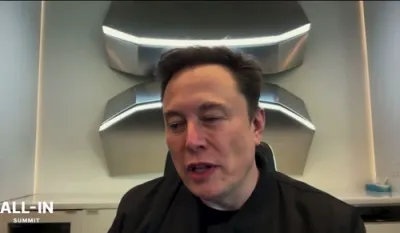
The reveal was as much a stunt show as a design debut. Elon Musk presented the car as a collaboration between Tesla and SpaceX, and the Roadster drove upside down using suction fans and used thrusters to leap over a lineup of Tesla vehicles with a mid-air flip. Tesla claims a 0 to 60 mph time of 0.81 seconds, three versions called Performance, Thrust, and Rocket, and production reportedly slated for 2028, though details could still change. Those performance figures are Tesla's own claims and have not been independently tested, and some critics have lamented the loss of the 2017 concept's flowing curves. The big question now is whether the car, announced years ago and delayed ever since, can actually reach customers as promised.