TOM COTTON DEMANDS VICTORY OVER IRAN: Senator Says Tehran Must Never Obtain Nuclear Weapons
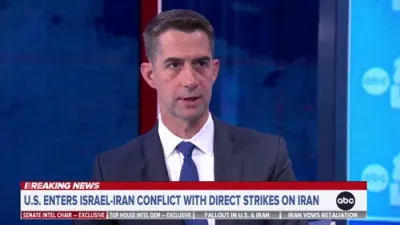
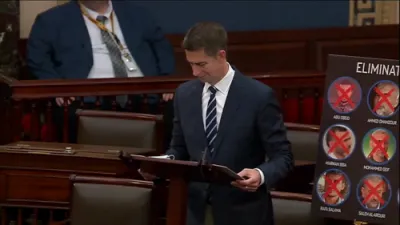
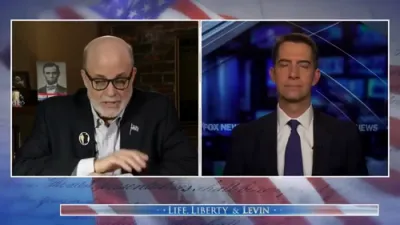
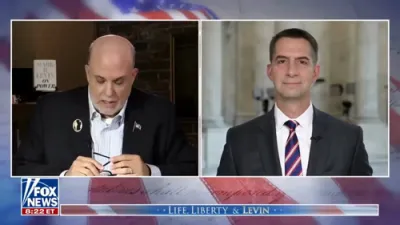
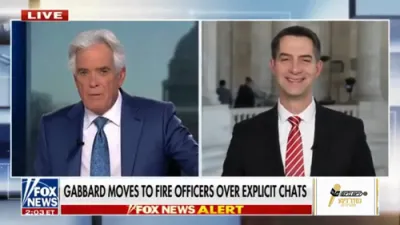
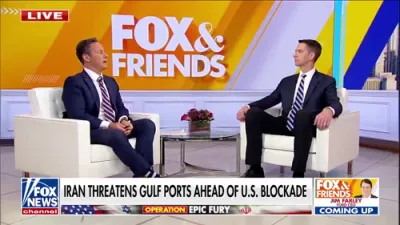
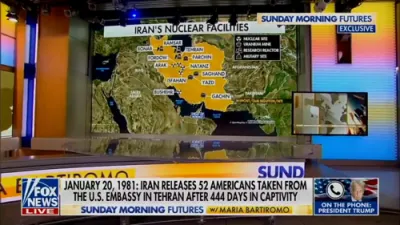
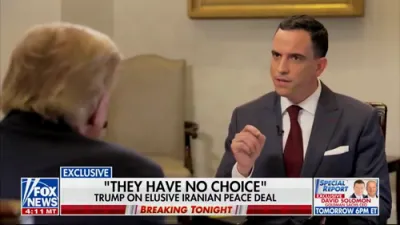
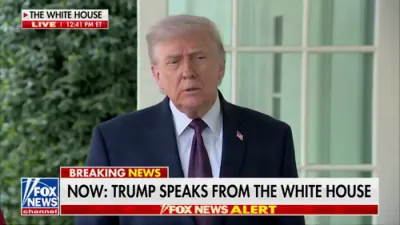
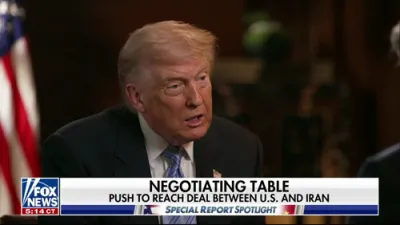
Senator Tom Cotton (R-Ark.), chairman of the Senate Intelligence Committee, is calling for the United States to end its ongoing conflict with Iran through a decisive military victory rather than a negotiated withdrawal. In a statement accompanying a Fox News clip, Cotton reiterated that Iran's regime must never be allowed to acquire a nuclear weapon, declaring, "Iran’s terrorist regime can never have a nuclear weapon. We must end the war with victory, not surrender." His position reflects his longstanding argument that Tehran's nuclear program, ballistic missile capabilities and support for armed groups pose serious threats to American and allied security. Cotton has also criticized proposals to end the conflict without securing what he considers essential military and strategic objectives. During a November 17 Senate hearing, he argued that withdrawing without addressing Iran's influence over the Strait of Hormuz and its regional proxy networks would amount to surrender. He also criticized an earlier memorandum of understanding, claiming it gave Tehran an opportunity to regroup, rearm and continue advancing its nuclear activities.
Cotton's remarks come amid an increasingly contentious debate in Washington over the future of the U.S. military campaign, which began with American and Israeli strikes against Iranian targets in February 2026. Supporters of continued military pressure argue that Iran must face meaningful restrictions on its nuclear and missile programs, while critics question the conflict's financial costs, regional consequences and long-term objectives. The fighting has also placed the Strait of Hormuz under intense international scrutiny because disruptions to shipping through the strategic waterway can affect global energy supplies and prices. Cotton has rejected calls for a unilateral American withdrawal, insisting that the administration should focus on achieving its stated security objectives before ending military operations. His position places him among the prominent Republican voices advocating continued pressure on Tehran, even as divisions over the conflict grow within Congress. The central disagreement remains whether Washington can secure its objectives through continued military action or whether a negotiated settlement offers a more sustainable way to end the conflict.