IRAN DEMANDS BILLIONS AND SANCTIONS RELIEF: Security Expert Warns of Tehran's Potential Military Comeback

Gallery
Videos
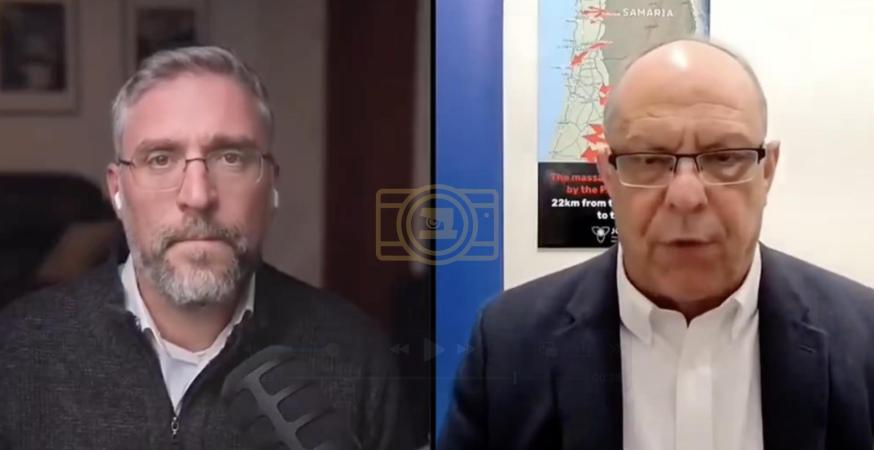
Iran is reportedly demanding the release of its frozen financial assets and the removal of economic sanctions as part of negotiations aimed at reaching an agreement with Washington. Lt. Col. (Res.) Maurice Hirsch, speaking in an interview with the Israel Defense and Security Forum (IDSF), explained that Tehran wants access to billions of dollars currently restricted by international sanctions and financial controls. The demands come as Iranian officials continue pressing Washington for economic relief, including access to overseas funds and the removal of restrictions on Iranian oil exports. Estimates of Iran's frozen assets vary, but Iranian officials and analysts have cited figures exceeding $100 billion, although not all those funds could necessarily be released or accessed immediately. Hirsch warned that granting Tehran broad financial relief without meaningful security guarantees could provide the regime with additional resources to strengthen its military capabilities and pursue its strategic objectives. His concerns center on the possibility that money freed from sanctions could help Iran rebuild weapons production, replenish military supplies and advance its nuclear ambitions.
The dispute over frozen assets and sanctions has become a major obstacle in negotiations between the United States and Iran, with both sides seeking concessions on issues central to their national security and economic interests. Tehran has also demanded changes involving the U.S. naval blockade, oil exports and the broader regional conflict, while Washington has pressed for restrictions on Iran's nuclear and military programs. Previous proposals have included phased arrangements linking economic relief and access to frozen funds with Iranian commitments, but the terms remain contested. U.S. officials have also questioned Iranian claims about the amount of money that would be released under potential agreements, highlighting the gap between Tehran's expectations and Washington's negotiating position. Hirsch argues that lifting sanctions without enforceable limits on Iran's military and nuclear activities could weaken the pressure intended to constrain the regime. The central question for Washington is whether any agreement can deliver meaningful security guarantees while preventing Iran from using renewed access to its wealth to rebuild its military power.