IOWA EXPLOSION ALERT ISSUED: Army Prepares Controlled Detonation of Nearly Five Tons of Unstable Explosives
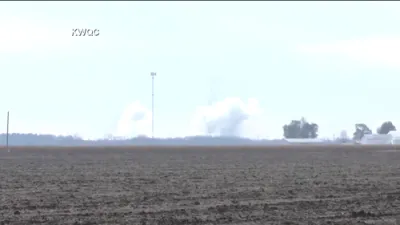
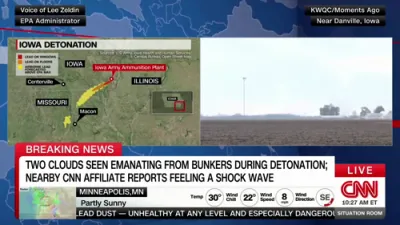
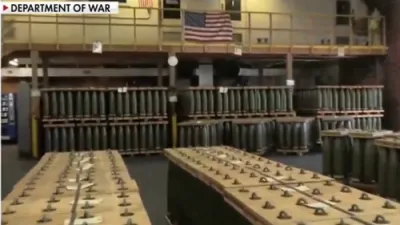
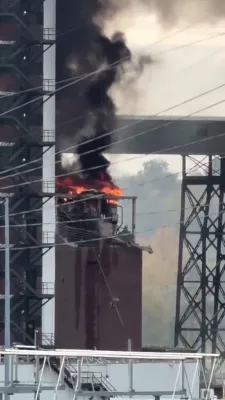
An emergency warning has been issued to residents near the Iowa Army Ammunition Plant as the U.S. Army prepares to destroy nearly five tons of dangerously unstable lead azide in a controlled explosion scheduled for approximately 9 a.m. Central Time on Wednesday, November 25. The operation involves 68 deteriorating drums containing more than 9,700 pounds of the highly sensitive explosive material, which military specialists say could detonate accidentally if disturbed, moved or exposed to heat and friction. The Army determined that destroying the stockpile in place was the safest available option after months of technical evaluations failed to identify a viable alternative. Explosive ordnance disposal specialists from the Army's 71st Ordnance Group are tasked with carrying out the operation, facing significant risks as they work to prevent an uncontrolled blast. Marine veteran and commentator Joey Jones emphasized the danger facing the technicians, saying several personnel could be risking their lives by working close to the explosives to ensure the detonation happens as safely as possible. Iowa Gov. Kim Reynolds declared a disaster emergency covering Des Moines, Lee and Van Buren counties, authorizing additional state resources and National Guard support for the affected communities.
Authorities have established protective measures for residents based on the expected direction of the airborne dust plume, which could contain lead particles following the explosion. FEMA is supporting temporary relocation for residents in Middletown and affected areas within a five-mile zone extending southwest of the plant, while people between five and 20 miles southwest are being advised to remain indoors with windows and doors closed. The public warning is intended to reduce exposure to airborne dust, as well as potential noise and vibration from the detonation. Federal and state agencies are coordinating air, soil and water monitoring before and after the blast, with environmental teams prepared to track the plume and assess possible contamination. Officials have stressed that the controlled operation is intended to eliminate the greater danger posed by the possibility of a spontaneous explosion involving the unstable stockpile. The situation remains serious, and residents in the affected areas are being urged to follow official emergency instructions until authorities issue an all-clear.