PALMER LUCKEY DEFENDS TRUMP'S TARIFFS: Says America Must Protect Its Manufacturing Base From Foreign Dependence
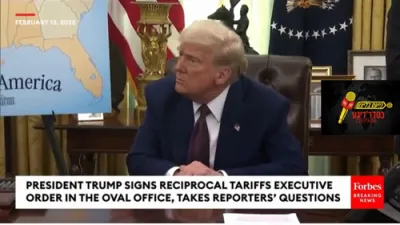
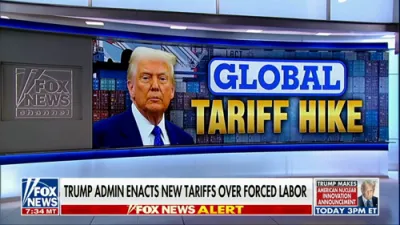
Anduril Industries founder Palmer Luckey is defending President Donald Trump's tariff strategy, arguing that protecting American manufacturing is essential to national security and the country's long-term economic independence. In a discussion about trade policy, Luckey said tariffs help guarantee a domestic market for American manufacturers, making it possible for U.S. companies to compete against foreign producers operating under very different labor and regulatory conditions. He used an intentionally provocative example to challenge arguments that the cheapest available products should always win, saying, "Slavery is really profitable," before asking why Americans should rely on goods made by child slaves in the Congo simply because they cost less. Luckey described that reasoning as a "ludicrous political argument" when taken to its extreme, arguing that unrestricted reliance on the lowest-cost producers can come at the expense of American workers and domestic industry. He maintained that manufacturing capacity is not merely an economic issue but a strategic asset, particularly when the United States must remain capable of producing its own military equipment and essential materials. His comments reflect a broader argument that America cannot afford to become dependent on foreign powers for products critical to its economy and national defense.
Luckey explained that he favors tariffs primarily as a national security measure rather than as a blanket rejection of international trade. He pointed to strategically important industries such as steel and aluminum, arguing that the United States should preserve enough domestic production capacity to expand output during a crisis. He also called for policies that protect essential food and manufacturing industries while reducing unnecessary regulations that make it harder for American businesses to compete. According to Luckey, allowing production to move overseas may deliver lower prices in the short term, but it can gradually eliminate the factories, skilled workers and industrial expertise needed to rebuild domestic capacity. He acknowledged that tariffs can increase costs initially, but argued that they can encourage investment, competition and innovation inside the United States over time. His remarks add to the national debate over Trump's trade agenda, which supporters describe as a tool for rebuilding American industry while critics warn that tariffs can raise prices for businesses and consumers.