BREAKING: U.S. Steel Production Surpasses Japan After Trump Tariffs.
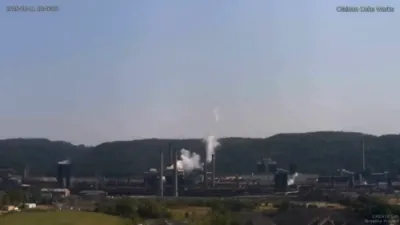
The United States has achieved a major industrial milestone, surpassing Japan in steel production for the first time in nearly three decades, marking a decisive moment for American manufacturing. In 2025, U.S. crude steel output reached 82 million metric tons, edging past Japan’s 81 million tons and placing the United States as the world’s third-largest steel producer behind only China and India. The achievement represents the strongest validation yet of President Donald Trump’s aggressive trade and industrial policies.
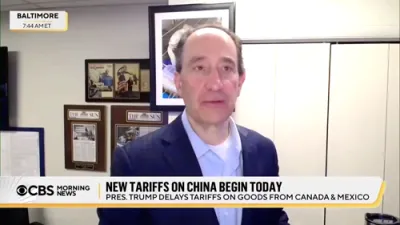
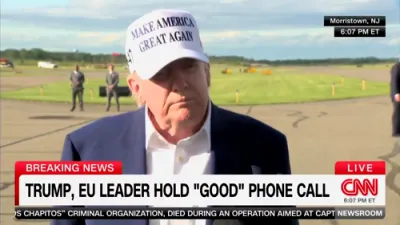
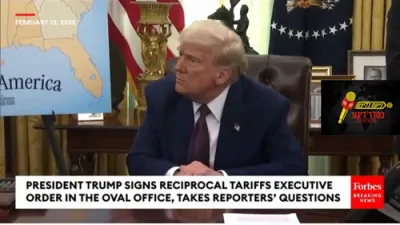
The surge in production follows President Trump’s imposition of a 25 percent tariff on imported steel, a move widely criticized at the time by economists and global trade “experts.” The tariffs sharply reduced foreign steel dumping into U.S. markets and created the conditions for renewed domestic investment, plant expansions, and workforce stability across America’s steel belt. Rather than hollowing out the industry, the policy incentivized producers to modernize facilities and ramp up output to meet rising demand.
That demand has been further fueled by a significant increase in steel prices, which climbed roughly 30 percent amid a boom in large-scale construction projects, including energy infrastructure and AI data center development. The combination of protected domestic markets and surging industrial demand has strengthened U.S. steelmakers’ balance sheets while restoring confidence in long-term American production capacity.
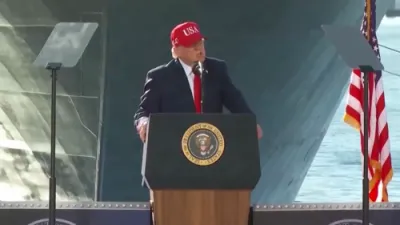
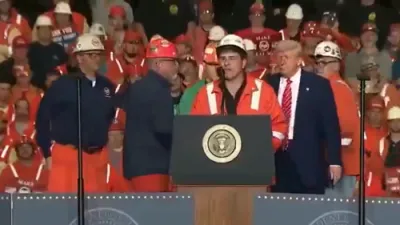
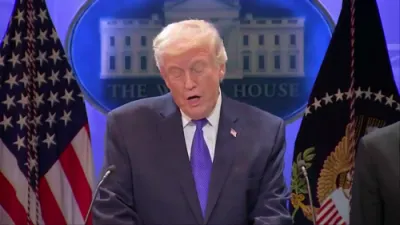
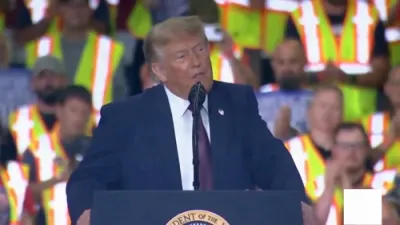
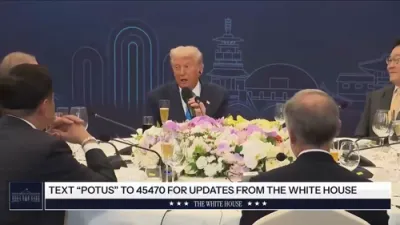
The human impact of the resurgence was underscored in a widely circulated video showing a U.S. Steel plant manager introducing President Trump at a rally of steelworkers. The manager credited Trump’s policies with preserving jobs, stabilizing communities, and restoring dignity to an industry long written off as a casualty of globalization. For many workers, the production milestone is not an abstract statistic but proof that government policy can directly affect livelihoods and local economies.
Critics continue to raise questions about foreign ownership in the sector, particularly following Nippon Steel’s 2024 acquisition of U.S. Steel. Supporters of President Trump argue that regardless of ownership debates, production capacity, employment, and industrial output remain anchored in the United States—a stark contrast to decades of decline prior to his tariff policies.
The data delivers a clear message: predictions of economic collapse and industrial retreat failed to materialize. Instead, America’s steel industry has reclaimed global standing, reinforcing President Trump’s argument that strong trade enforcement and national-interest-driven policy can rebuild domestic manufacturing and secure long-term economic strength.