STILL NO RELIEF: Vance Refuses to Promise Cheaper Gas Anytime Soon
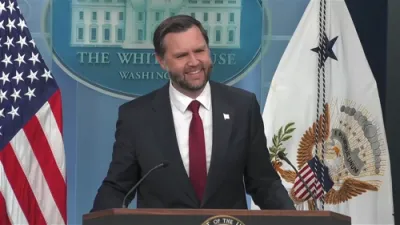
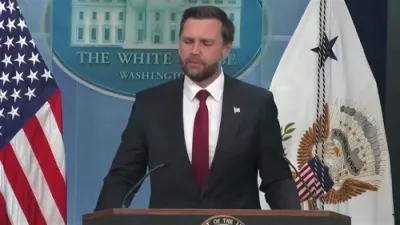
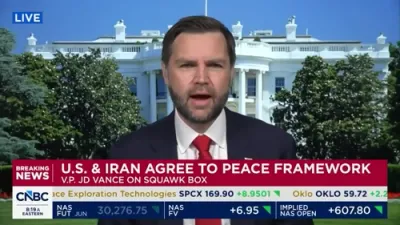
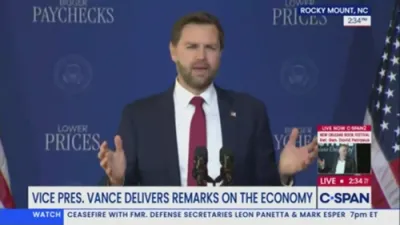
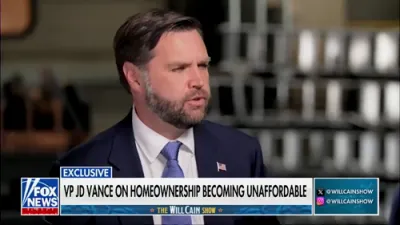
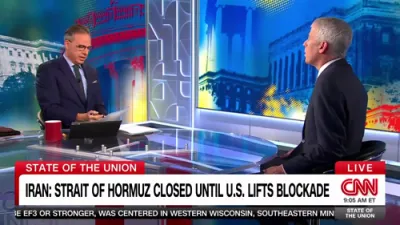
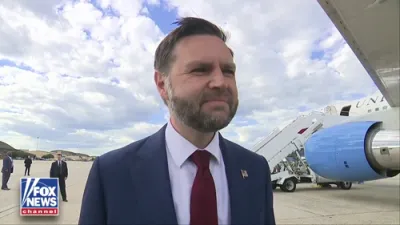
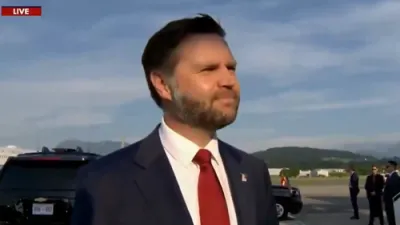
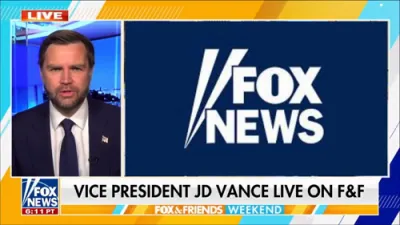
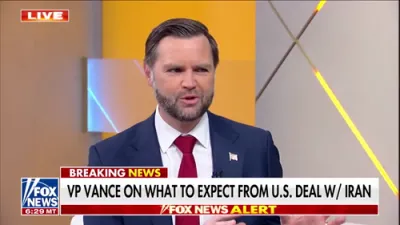
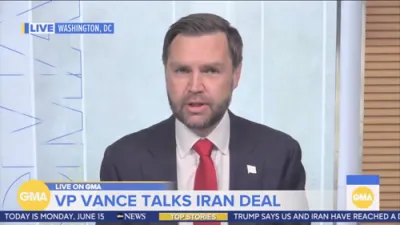
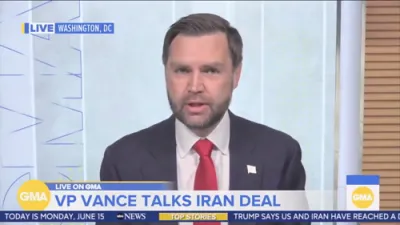
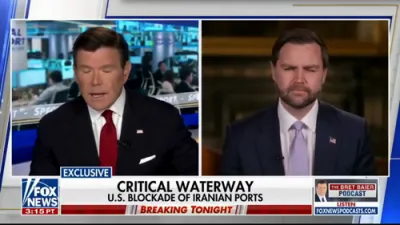
Vice President JD Vance stood before reporters at the White House and delivered a blunt answer to the question hanging over millions of American drivers: why does gas cost so much right now. His explanation was direct and unambiguous. The reason gas prices are so high right now is because the Iranians are shooting at commercial shipping, he said, tying the pain at the pump squarely to Iran's ongoing attacks on tankers moving through the Strait of Hormuz. Vance didn't shy away from acknowledging the discomfort this is causing at home, but he was quick to add context, insisting that yes, gas prices are higher in the United States, but they're way worse everywhere else in the world. It was a message meant to reframe frustration into perspective, even as the numbers themselves remain hard to ignore.
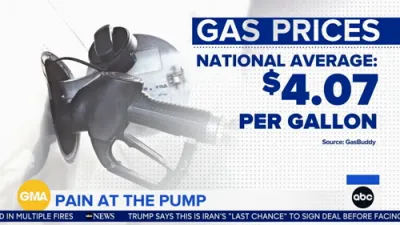
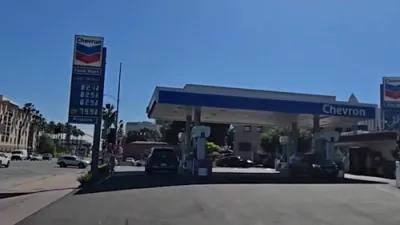
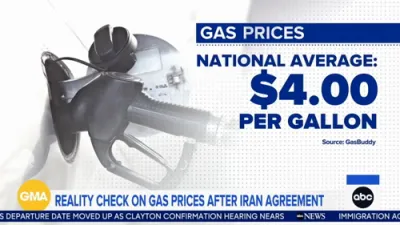
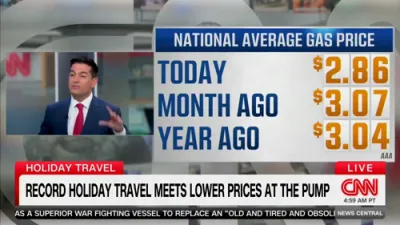
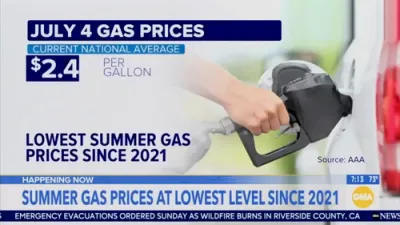
Those numbers tell a real story of strain. The average price per gallon in the U.S. has climbed above four dollars, up from roughly three dollars before the conflict with Iran began, according to AAA figures. Vance argued that American shipping protection efforts have kept the situation from spiraling into something far worse, crediting military escorts and naval operations with preventing a full-blown energy crisis. He pointed to signs of partial recovery, noting that oil transit through the Strait of Hormuz has picked back up to around fifteen million barrels a day, though that figure still sits well below the volume of traffic that moved through the waterway before hostilities began. Whether that partial rebound is enough to meaningfully ease prices anytime soon remains an open question.
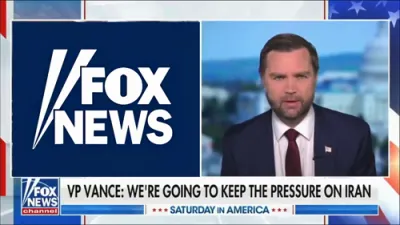
What Vance would not offer was certainty. Reporters pressed him for a timeline on when prices might fall back to around three dollars a gallon, and pressed him again on when the six-month-long conflict with Iran might actually end. On both counts, he declined to commit to a date, instead leaning into the unpredictability of the situation and placing responsibility on Tehran, calling on Iran to stop targeting commercial vessels in the strait. He also laid out a list of pressure tools still available to the administration, signaling that Washington isn't done applying leverage even if the endgame remains unclear. The message was one of resolve without resolution, a war still being fought without a stated finish line.
For many Americans, the vice president's comments will land as only partial comfort. Being told that prices could be worse elsewhere doesn't necessarily make filling up a tank any less painful, especially with no clear date for relief in sight. Yet Vance's framing captures the core tension the administration is navigating: how to defend a costly, prolonged conflict abroad while managing very real economic consequences unfolding at home. As the standoff over the Strait of Hormuz drags on, the price at the pump remains one of the clearest, most visible signs of how far this conflict's reach extends into everyday American life.