BOND MARKET FEVER: Bessent Triples Treasury Buyback to $6 Billion
The US Treasury announced Wednesday that it will purchase up to $6 billion of longer-dated government debt, tripling the normal size of its buyback operations in what officials describe as the first move under an expanded program. The operation, set for Thursday, September 10, will target 10- to 20-year Treasury notes, a less liquid corner of the bond market where yields have recently climbed to multi-year highs. The move builds directly on an August 19 announcement in which the department said it would at least double the maximum size of these operations, from $2 billion to $4 billion, before this latest jump pushed the ceiling even higher. Treasury said future buyback operations, including one scheduled for September 24, will be sized at a minimum of $4 billion going forward, with additional guidance expected at the next quarterly refunding announcement on November 4.
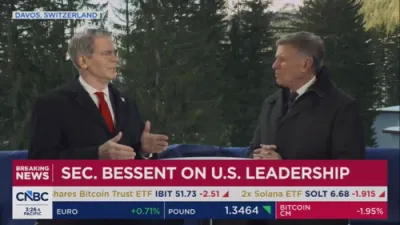
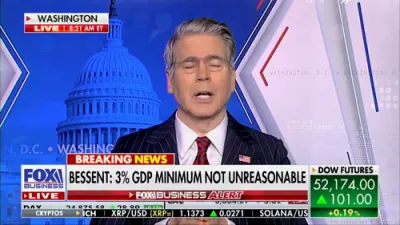
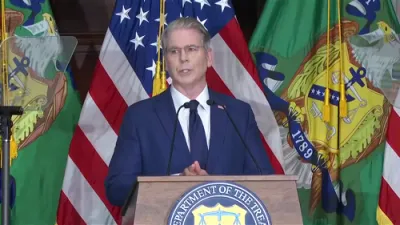
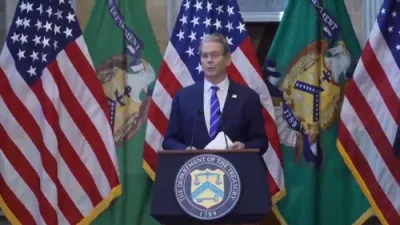
Treasury Secretary Scott Bessent has framed the expanded buybacks as a targeted liquidity intervention rather than a return to the kind of broad quantitative easing the Federal Reserve deployed in past crises. The distinction matters to Bessent, who has compared the strategy to a modern version of Operation Twist, the historical Fed policy aimed at nudging specific parts of the yield curve without expanding the overall money supply. The urgency behind the move stems from what officials have described as a "fever" in the bond market, particularly after a selloff pushed 30-year Treasury yields to their highest levels since 2007, with the benchmark 10-year yield also climbing past levels not seen since November 2023. By buying up older, less liquid securities, Treasury aims to improve trading conditions in that part of the market and, in doing so, nudge borrowing costs back toward a more stable equilibrium.
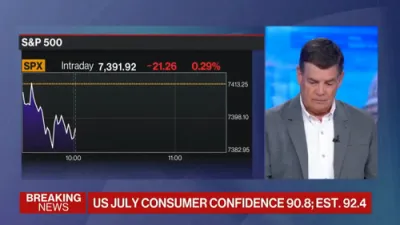
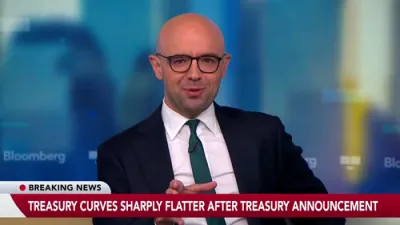
Market reaction to the announcement has been far from enthusiastic, despite the larger scale of the operation. Yields at the long end of the curve actually rose following the news, with the 10-year touching 4.841 percent, the 20-year climbing to 5.314 percent, and the 30-year pushing past levels last seen before the 2008 financial crisis. That muted, even negative, response stands in contrast to Treasury's August announcement, which had sent yields lower and lifted stock futures at the time. The tepid reaction this time around suggests investors may be growing skeptical about how much impact these operations can realistically have given the sheer size of the Treasury market and the scale of ongoing federal debt issuance.
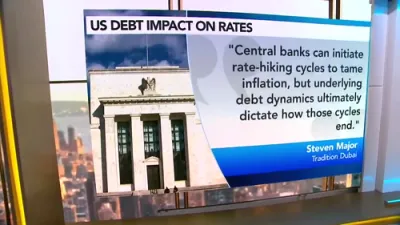
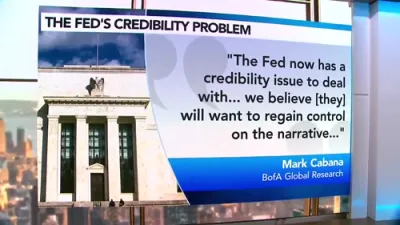
Not everyone is convinced this approach is sustainable, and some of the sharpest criticism has come from within Bessent's own circle of mentors and peers. Stanley Druckenmiller, a prominent investor who has previously advised Bessent, warned in a Wall Street Journal opinion piece that once markets believe Treasury is defending a specific yield level, every subsequent rise becomes a test of the government's resolve, forcing the size of interventions to keep growing just to maintain credibility. Druckenmiller argued bluntly that governments attempting to defend asset prices against underlying fundamentals ultimately lose that fight, with the only real variable being how much gets spent before officials are forced to concede. Whether this latest tripling of the buyback program marks a turning point in stabilizing yields or simply the next step in an escalating and costly defense of the bond market remains an open question heading into the fall.