LOSE TANKERS, LOSE FAST: Rubio's Blunt Warning to Iran Over Warship Attacks
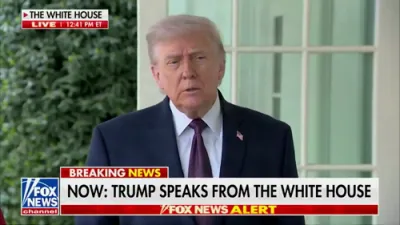
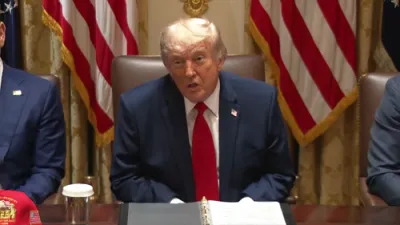
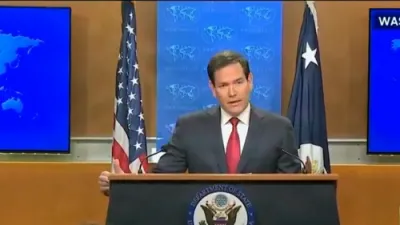
Speaking to reporters during a visit to Colombia on September 8, Secretary of State Marco Rubio delivered a blunt warning to Iran just hours after US Central Command announced it had destroyed five Iranian crude oil tankers. "Iran continues to try to hit US naval ships, and for every time they do that or try to do that, they're going to lose tankers," Rubio said, framing the strikes as a direct and repeatable consequence rather than a one-time punishment. He added that the exchange was "pretty straightforward," essentially laying out a rule of engagement in plain terms: attempted attacks on American ships will be answered with strikes on Iran's oil-carrying fleet. Rubio also indicated the pattern would likely continue, telling reporters they could expect to see more of the same in the near term.
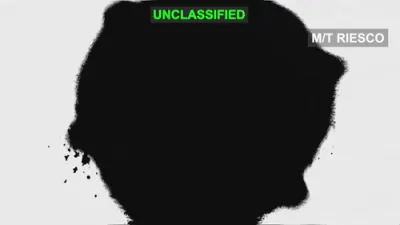
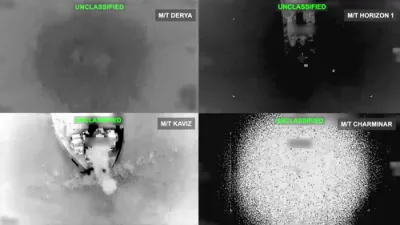
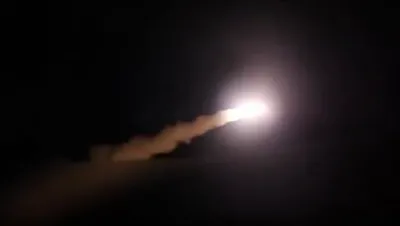
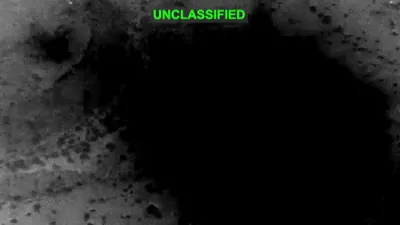
The tankers destroyed that day, the M/T Kaviz, M/T Charminar, M/T Horizon 1, and M/T Riesco in the Gulf of Oman, along with the M/T Derya near Kharg Island, were struck after Iran's Islamic Revolutionary Guard Corps twice attempted to hit a US Navy warship with ballistic missiles over the previous two days. CENTCOM confirmed the targeted warship evaded both attacks successfully and that no American personnel were harmed in either incident. Video released by CENTCOM showed the aftermath of the strikes, including footage of the Riesco engulfed in flames and ultimately sinking in the Gulf of Oman. Iran's state media confirmed the Kharg Island strike and reported that tanker crews had been evacuated safely before the vessels were hit.
Rubio's comments tie directly into a broader US strategy that pairs military retaliation with sustained economic pressure on Tehran. Treasury Secretary Scott Bessent recently launched what officials have called Operation Economic Outcast, an effort explicitly aimed at tightening financial restrictions and cutting off revenue streams that fund the IRGC and its regional network. Iran has been dealing with mounting economic strain throughout the conflict, including reports of dwindling fuel reserves, rising inflation, and difficulty maintaining consistent pay for its armed forces, pressures that have only intensified as the US has expanded its targeting of Iran's so-called shadow fleet of sanctioned oil tankers. Analysts following the conflict have suggested that this combination of military and economic pressure may be contributing to Iran's increasingly aggressive posture, as the regime looks for ways to respond without the same level of naval or economic capacity it once had.
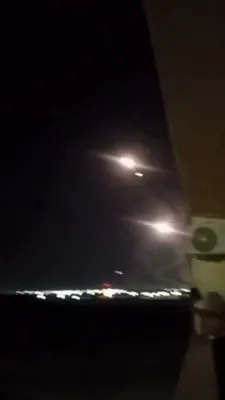
Iran's response to the September 8 strikes came swiftly, though it extended the conflict into new territory. Iranian forces launched roughly twenty ballistic missiles toward the Al Azraq air base in Jordan, a facility that hosts American air operations, marking one of the furthest reaches of retaliation in this cycle of the conflict. Jordanian air defenses reportedly intercepted the majority of the incoming missiles, and no casualties were reported from the strike. With oil prices climbing toward the $100-a-barrel mark and both governments now trading strikes within days of each other, Rubio's warning reflects an American strategy that shows no signs of softening, betting that steadily rising costs, in tankers, revenue, and regime stability, will eventually force Tehran to change course.