Orbán Thanks Trump for Repairing Relations That Was Destroyed Under Democratic Administration.
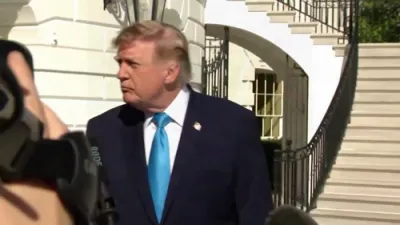
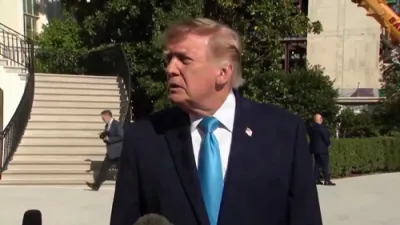
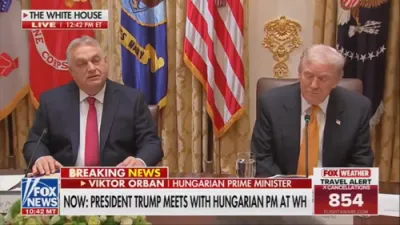
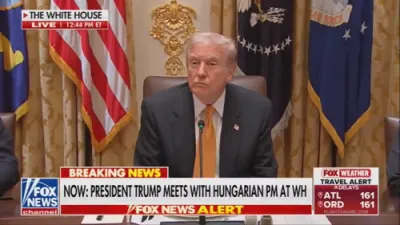
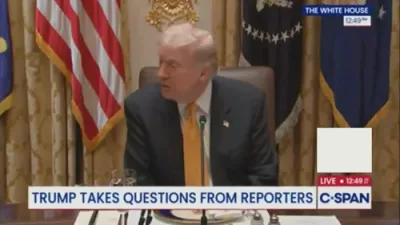
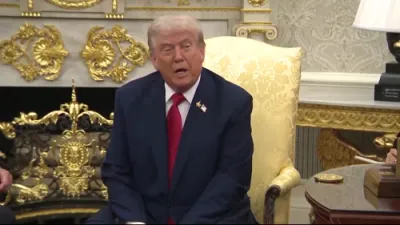
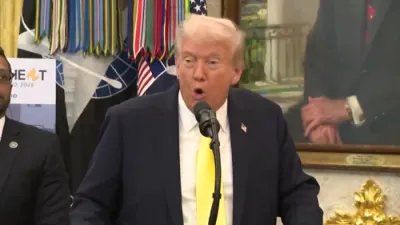
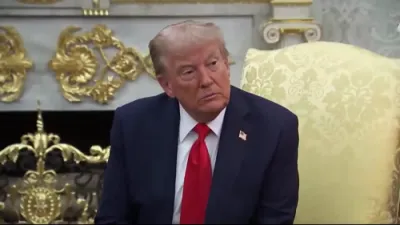
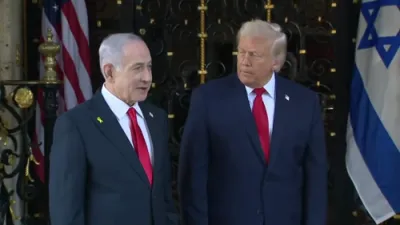
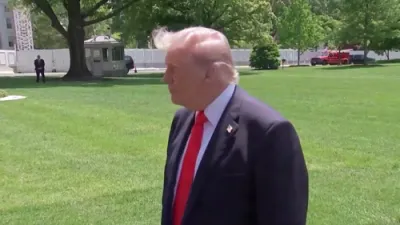
WASHINGTON, D.C. — Hungarian Prime Minister Viktor Orbán sharply criticized previous Democratic administrations for “ruining” U.S.-Hungary relations, while praising President Donald Trump’s leadership for restoring bilateral cooperation. The remarks came during a November 7, 2025, White House meeting that marked a significant diplomatic thaw between the two nations.
“The reason why we’re here is to open a new chapter in the bilateral relationship,” Orbán said. “During the Democratic administration, everything was ruined — everything was broke, ruined, cancelled. A lot of harm was done by the previous administration.” His comments directly referenced the deep tensions that developed during President Biden’s tenure, when Hungary’s pro-Russia stance and its resistance to EU sanctions over the Ukraine war strained relations with Washington.
The high-profile meeting culminated in a key policy breakthrough: the Trump Administration granted Hungary a one-year exemption from U.S. sanctions on Russian oil and gas imports. The decision, hailed by Budapest as a “pragmatic and fair” gesture, acknowledges Hungary’s heavy dependence on Russian energy and its landlocked geography, which limits access to alternative suppliers.
For years, Orbán’s government has faced criticism from both Brussels and Washington for maintaining close economic ties with Moscow, even as much of the Western world sought to isolate Russia over its invasion of Ukraine. Under the Biden Administration, Hungary’s energy policies and resistance to sanctions were viewed as obstacles to NATO and EU unity. That stance has now found more sympathetic ears under Trump’s foreign policy approach, which prioritizes sovereignty, energy independence, and bilateral cooperation over collective EU pressure.
Trump administration officials described the talks as “productive” and “forward-looking,” signaling a broader effort to rebuild strategic ties with Central European allies. The exemption agreement, they said, is designed to ensure Hungary’s energy security while maintaining overall U.S. leverage on Russia’s export market.
Orbán’s visit marks a symbolic turning point in U.S.-Hungary relations — one where ideological confrontation gives way to pragmatic partnership. As both leaders framed it, the new chapter in transatlantic diplomacy is not about returning to the past, but about strengthening alliances grounded in mutual respect and shared national interests.