IOWA EXPLOSIVE OPERATION: Army Detonates 9,700 Pounds of Unstable Lead Azide as Smoke Plume Rises Over Rural Fields
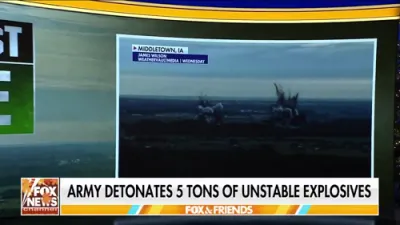
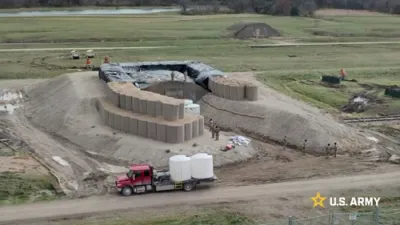
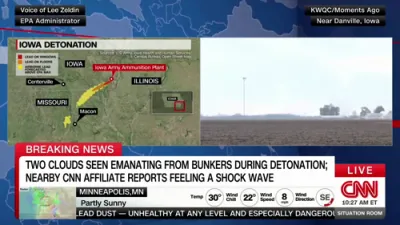
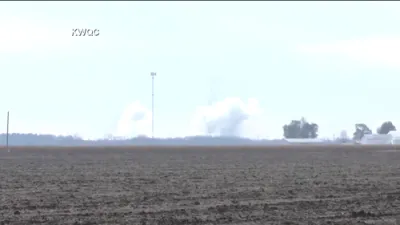
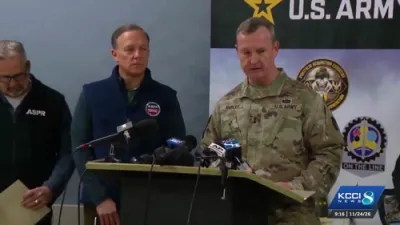
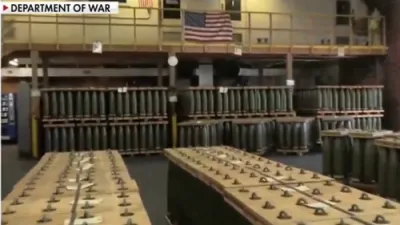
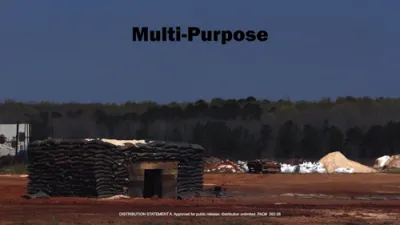
Drone footage shared by James Wilson (@nmjameswilson) shows a distant white smoke plume rising over rural Iowa fields following the U.S. Army's controlled detonation of approximately 9,700 pounds of degraded lead azide at the Iowa Army Ammunition Plant. The operation took place Wednesday, November 25, at the military facility in Middletown, where specialists destroyed 68 drums of the highly sensitive explosive material stored inside reinforced bunkers. Army inspectors had discovered that the decades-old chemical had deteriorated and crystallized, making it dangerously vulnerable to friction, vibration, heat and shock. Officials warned that attempting to move or chemically neutralize the material could trigger an uncontrolled explosion, leaving an in-place detonation as the selected option. The operation followed extensive technical reviews, coordination among federal and local agencies, and legal proceedings that cleared the way for the Army to proceed. Authorities also established protective measures, including barriers, water systems and monitoring operations, while residents in designated areas received evacuation or shelter-in-place advisories.
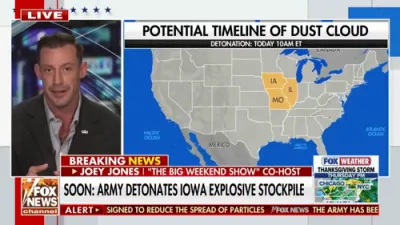
The Army described the operation as successful, and initial reports indicated there were no secondary explosions or infrastructure damage. The Environmental Protection Agency had collected more than 1,200 air, soil, dust and water samples before the blast and deployed personnel to monitor conditions during and after the operation. The EPA reported that its real-time air monitors detected no airborne lead during the first 15 minutes following the detonation, with no detection reported more than an hour afterward. However, officials are continuing environmental sampling because the absence of detected airborne lead during those monitoring periods does not establish that every surrounding area is free of contamination. Lead particles can settle on soil, water and outdoor surfaces, making follow-up testing important for nearby residents, farmers, livestock and local ecosystems. The operation eliminated the immediate danger posed by the unstable stockpile, but authorities still face the task of determining whether the detonation produced any lasting environmental impact.