SHERIFFS REVOLT: 15 New York Sheriffs Sue Governor Hochul Over Immigration Enforcement Ban
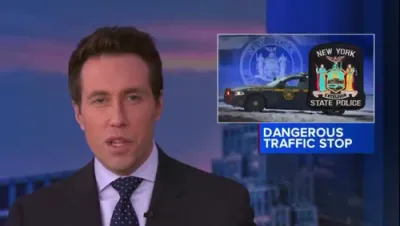
A group of fifteen elected New York sheriffs has filed lawsuits against Governor Kathy Hochul over a new state law that bans local cooperation with federal immigration authorities. The Local Cops, Local Crimes Act, signed by Hochul in May and effective August 25, prohibits 287(g) agreements that previously allowed trained local officers to screen jail inmates and serve warrants on criminal noncitizens. Sheriffs from counties including Rensselaer, Nassau, Broome, and Madison argue the measure strips them of essential authority and places communities at greater risk. They contend the ban keeps individuals with criminal records in local areas instead of allowing proper coordination with federal partners. The legal challenge marks a direct confrontation between county law enforcement leaders and the governor’s office.
The sheriffs maintain that the law violates the Constitution by interfering with their ability to perform core public safety duties. They say preventing local officers from identifying and acting on immigration-related warrants involving people already in custody undermines efforts to remove dangerous individuals from the streets. Officials from the involved counties describe the restriction as an overreach that prioritizes policy goals over practical crime control. Several sheriffs have publicly stated that the ban forces them to release suspects who would otherwise face federal detention. Their lawsuits seek to block enforcement of the new rules and restore the previous cooperative framework.
Governor Hochul has defended the legislation as a necessary step to keep local police focused on everyday street crimes rather than federal immigration enforcement. She has warned that counties refusing to comply could face legal action from the state and has indicated willingness to litigate the issue. The state has already moved to enforce the ban through its own court filings, setting up parallel battles in both federal and state venues. Hochul’s office frames the law as protecting local resources and avoiding entanglement in national immigration debates. The contrasting positions have deepened an already visible rift between Albany and a significant number of county law enforcement leaders.
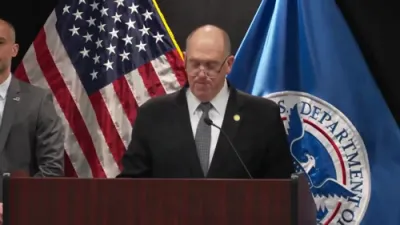
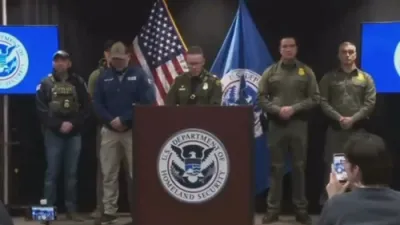
Homeland Security has expressed support for the sheriffs’ position, adding a federal dimension to the dispute. The backing underscores the tension between state-level restrictions and ongoing federal immigration priorities. With lawsuits now advancing in multiple courts, judges will be asked to weigh questions of authority, public safety, and constitutional limits. The cases involve not only the specific 287(g) agreements but also broader claims about the balance of power between state directives and local elected officials. Court proceedings are expected to draw close attention from both law enforcement agencies and immigration policy observers across the country.
The conflict highlights a growing divide over how local jails and police departments should handle individuals who are both criminal suspects and noncitizens. Sheriffs argue that the ability to screen inmates and execute certain warrants is a basic tool for protecting residents. Critics of the ban say it creates unnecessary barriers that allow people with serious records to remain in communities longer than necessary. Supporters of the governor’s approach counter that local officers should not be diverted from core policing tasks. The lawsuits filed by the fifteen sheriffs represent a coordinated pushback from officials who say they are closest to the daily realities of crime and custody.
As the legal process unfolds, the outcome could reshape cooperation between New York counties and federal immigration authorities for years to come. The sheriffs’ decision to sue rather than quietly comply has turned a policy disagreement into a high-stakes court fight. Both sides appear prepared for a prolonged contest, with public safety claims and constitutional arguments at the center. For residents of the affected counties, the dispute raises immediate questions about how criminal noncitizens will be handled in local jails while the cases proceed. The clash between the governor and the sheriffs is only beginning to play out in the courts.