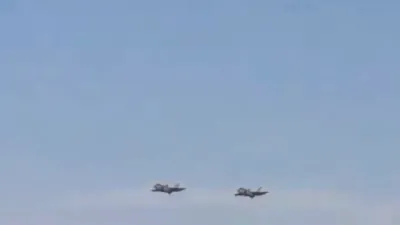
SHOW OF STEEL: Saudi Arabia Warns Houthis With Jet Footage
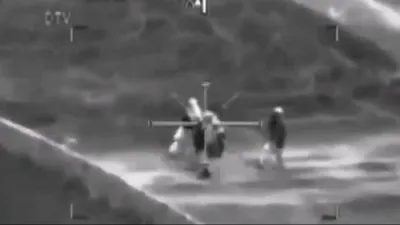
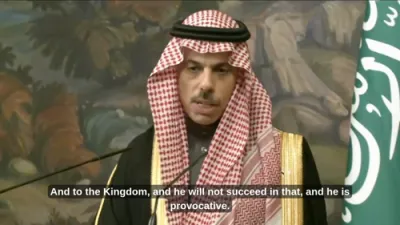
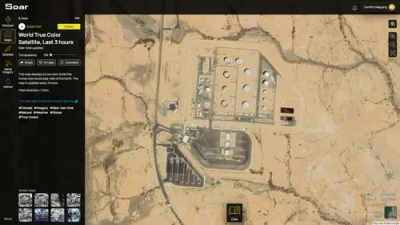
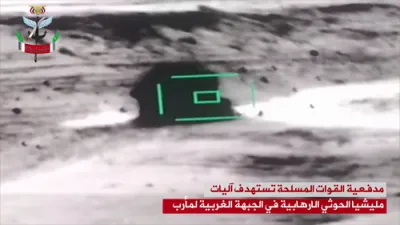
Saudi Arabia's Ministry of Defense released a striking new video this week showcasing F-15 fighter jets lined up on the tarmac, pilots strapped in mid-flight, helicopters deploying troops on the ground, and targeting footage from ongoing operations. The clip was widely captioned online as Crown Prince Mohammed bin Salman sending a direct message to the Houthis, arriving at a moment when the balance of power along Yemen's coast has shifted dramatically. The footage leans heavily into imagery of Saudi air power and special forces capability, projecting a sense of overwhelming readiness at a time when Riyadh is under mounting pressure to respond forcefully. Its release comes just days after Houthi forces completed a sweeping offensive that stunned military observers across the region.
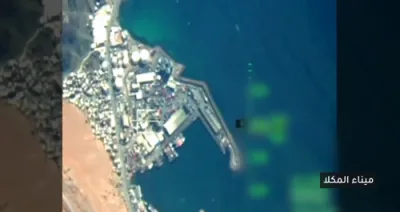
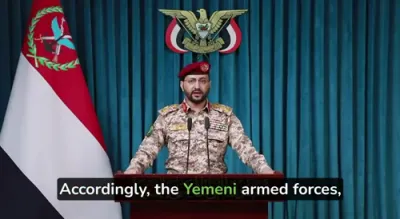
That offensive saw Houthi fighters seize the strategic port city of Mokha in early September, then push on to capture the remaining Red Sea islands inside the Bab al-Mandeb Strait that had not yet fallen under their control. Together, those gains have handed the Iran backed group significant leverage over one of the world's most critical shipping chokepoints, a corridor linking the Red Sea to the Gulf of Aden that carries a massive share of global oil and container traffic. Oil prices have climbed above 100 dollars a barrel in response, with some analysts warning of prices as high as 120 dollars a barrel if the fighting continues to escalate. The speed and scale of the Houthi advance has left Saudi Arabia scrambling to reassert control over a coastline it has fought to protect for years.
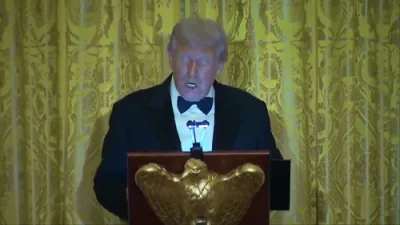
Behind the scenes, the video's release follows a pointed and ultimately unsuccessful push by Riyadh for direct American military involvement. Crown Prince Mohammed bin Salman personally called President Trump twice in a single day, first briefing him on the deteriorating situation as government aligned forces retreated, then formally requesting that the United States carry out strikes against the Houthis. Trump declined the request, with officials saying his administration wants to keep American forces focused on Iran and protecting the Strait of Hormuz rather than opening a second military front in Yemen. In place of direct strikes, Washington agreed to expand intelligence sharing and targeting data support for Saudi forces, while U.S. Central Command chief Admiral Brad Cooper traveled to Saudi Arabia for urgent coordination talks.
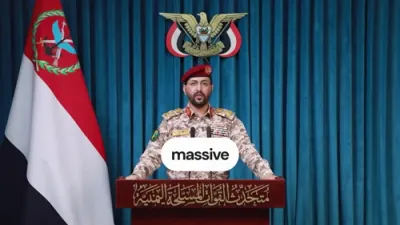
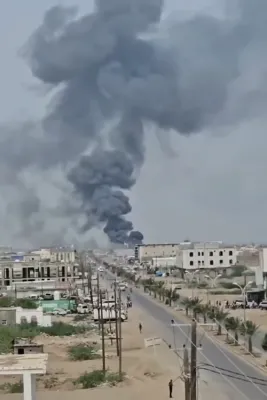
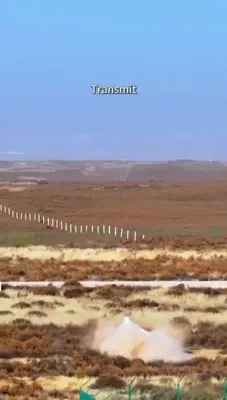
Set against that backdrop, the Ministry of Defense video reads as much like a message to Washington as it does a warning to the Houthis, a visual declaration that Saudi Arabia intends to project strength even without direct American firepower behind it. The timing also follows fresh Houthi claims of drone and missile strikes on Saudi border areas, adding urgency to Riyadh's need to demonstrate its own capacity to respond. With roughly 200 U.S. military personnel already stationed in the kingdom providing non combat support, and about 200 million dollars worth of American weaponry reportedly at stake in captured equipment along the coast, the stakes for Saudi Arabia's next move could hardly be higher. Whether this display of firepower translates into a renewed ground offensive or remains primarily a show of resolve will likely become clear in the days ahead.