ESCALATION IN YEMEN: Saudi Airstrikes Target Oil Facility Near Sana'a as Houthis Threaten Aramco and Riyadh Airport
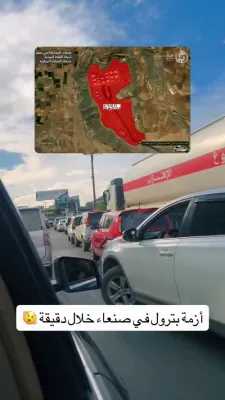
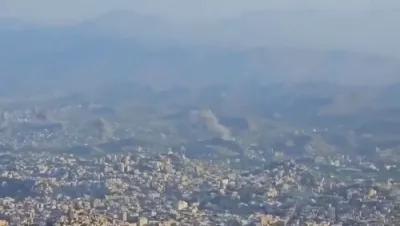
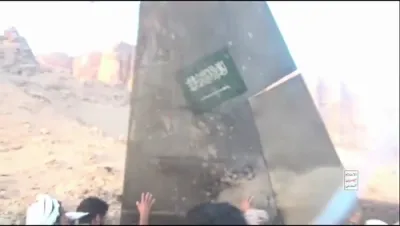
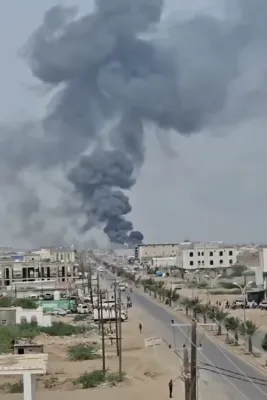
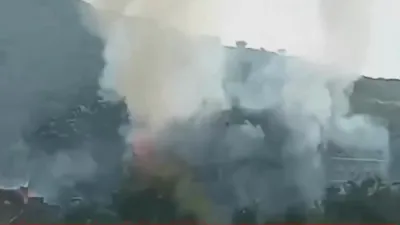
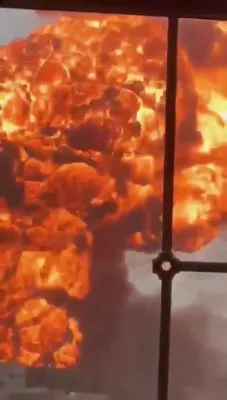
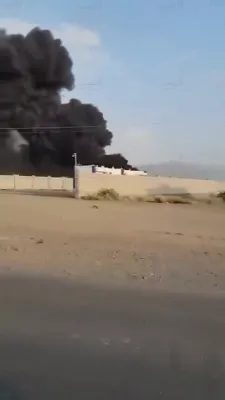
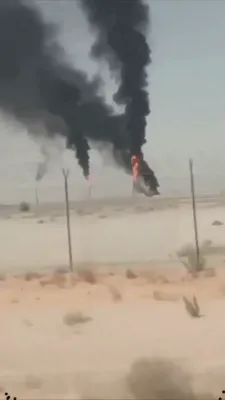
Long lines of vehicles formed outside gas stations across Houthi-controlled Sana’a shortly before Saudi warplanes struck the Yemeni Oil Company’s Al Sabaha facility west of the capital. The airstrikes hit the site after the Saudi-led coalition issued an evacuation warning for civilians, marking a sharp new step in the intensifying conflict. Residents rushed to fill tanks amid fears of shortages, creating visible queues that stretched through the city streets in the hours leading up to the attack. The Houthis quickly responded by threatening retaliatory strikes against Saudi Aramco’s headquarters in Dammam, its refinery in Riyadh, and King Khalid International Airport, the same airport hit in deadly attacks days earlier. Houthi officials framed the threats as a direct response, warning that any further action against sites in Sana’a would bring a harsh reply inside Saudi territory. The episode underscores how quickly the fighting has moved from airport strikes into energy infrastructure on both sides.
The Houthi-controlled Yemeni Oil Company claimed the targeted Al Sabaha facilities held no petroleum products at the time and insisted that overall fuel supplies for the capital remain secure. Company statements urged residents not to panic and said contingency measures were already in place to keep distribution running. Despite those assurances, the sudden appearance of long vehicle lines revealed underlying anxiety among ordinary people about potential disruptions to daily life. Saudi forces described the operation as a precision response following recent Houthi missile and drone attacks that killed more than a dozen people and injured hundreds at Riyadh’s main airport. The exchange of threats and strikes has raised fresh concerns that the conflict could expand further into critical energy and civilian targets. As both sides dig in, the images of gas queues in Sana’a and the explicit naming of Aramco sites illustrate how the war is increasingly hitting the economic and practical foundations of daily existence on each side of the border.