NO CREW, NO FEAR: Drone Sails Straight Into Category 3 Hurricane's Eye
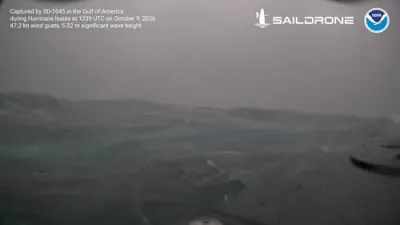
On Friday, October 9, a robot boat with no crew on board did what no sensible human sailor would dare: it sailed straight through the eye of Hurricane Isaias. The vehicle, Saildrone Explorer SD-1045, is a 7-meter uncrewed surface vessel operated with NOAA, and it met the storm in the Gulf of America as Isaias intensified into a Category 3 hurricane. Positioned roughly 150 nautical miles south of Pensacola, Florida, it intercepted the storm from the northern edge before passing directly through the eye, and it recorded wind gusts of more than 90 knots, about 103 mph. Its onboard camera captured violent, churning seas, with waves reported at more than 32 feet and some outlets citing heights of up to 65 feet, while its instruments collected ocean and atmosphere data.
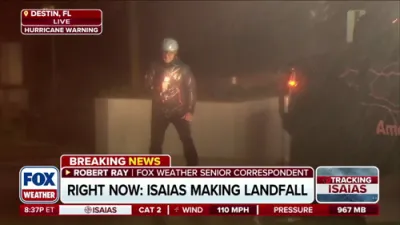
This is far from the drone's first brush with a monster storm. In 2021, SD-1045 was sent into Category 4 Hurricane Sam, where it captured video from inside the storm while battling waves of around 50 feet and winds above 120 mph, and it has reportedly joined every Saildrone and NOAA hurricane mission since. Isaias, the season's first hurricane and the first to hit the U.S. in two years, went on to make landfall near Destin, Florida, as a Category 2 storm with 105 mph sustained winds on October 10, and at least four deaths were reported as the damage piled up. The reason researchers keep sending drones into the chaos is simple: real measurements from inside a hurricane can help forecasters understand how the ocean and atmosphere feed these storms, which can lead to better predictions and earlier warnings. So how much closer can a robot sail to the heart of a hurricane before the next record falls?