HUANG AGREES TO FACE CONGRESS: Nvidia Chief Set to Answer Questions Over Alleged Chinese Spy Links
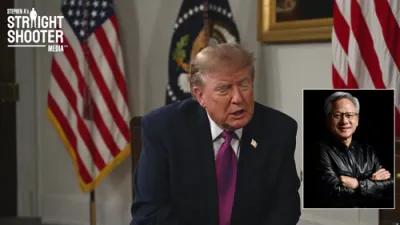
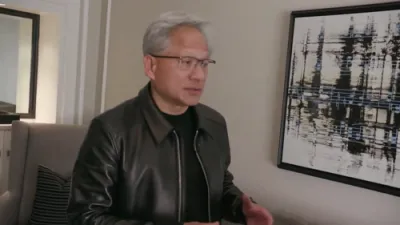
Former Nvidia CEO Jensen Huang has reportedly agreed to testify before House Republicans as lawmakers investigate allegations involving his reported relationship with a woman suspected of having ties to Chinese intelligence, Fox News reported, citing sources familiar with the matter. The congressional inquiry centers on Alice Huang, a former executive at Singapore-based Megaspeed International, whom U.S. intelligence officials have reportedly identified as a potential Chinese intelligence asset. According to reports, investigators are examining whether she gathered information for Beijing and whether her access to Nvidia executives could have exposed sensitive American artificial intelligence technology or corporate information. Three Republican committee chairmen had previously requested a closed-door briefing with Huang, focusing on his interactions with Alice Huang and Nvidia’s safeguards against foreign espionage. The lawmakers initially proposed November 18 for the briefing and warned that a subpoena could be considered if he failed to cooperate. A date for Huang’s reported agreement to testify has not yet been publicly confirmed.
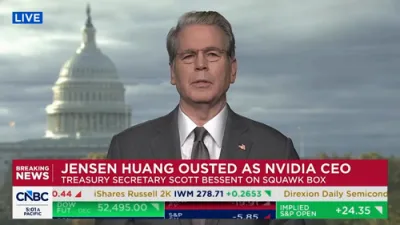
The controversy has intensified following reports that Huang acknowledged an extramarital relationship with Alice Huang, although there has been no public confirmation that he knew of any alleged intelligence activities. Nvidia’s board launched an independent investigation and said it had no reason to believe that company secrets or U.S. national security information had been compromised. Huang previously pledged to cooperate fully with the review and emphasized his commitment to protecting the company and American national security. The allegations have also raised questions about Megaspeed’s business dealings, including concerns that the company may have helped route restricted Nvidia chips to China, an allegation that remains under scrutiny. Huang’s reported resignation as Nvidia CEO on November 12 adds another major development to a controversy that has drawn attention from lawmakers, intelligence officials and the technology industry. Congressional testimony could provide lawmakers with an opportunity to examine what Huang knew, what information may have been exposed and whether existing safeguards were sufficient to protect sensitive American technology.