35 AND COUNTING: Trump Bets His Travel Schedule on Saving Congress
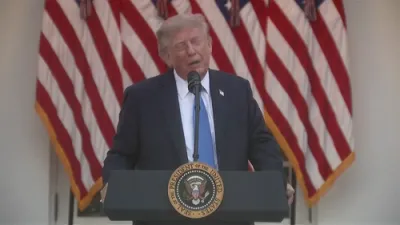
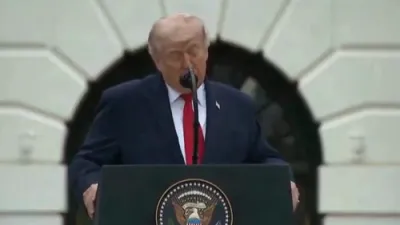
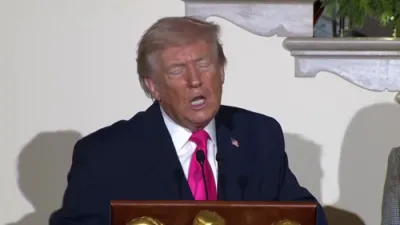
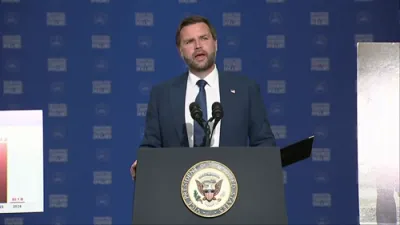
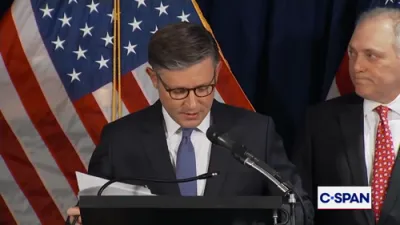
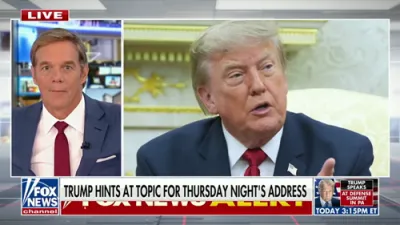
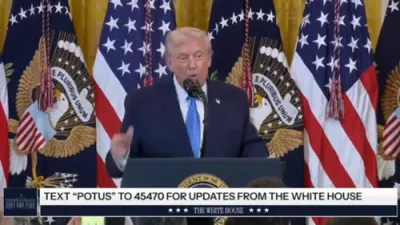
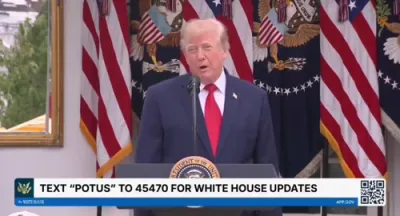
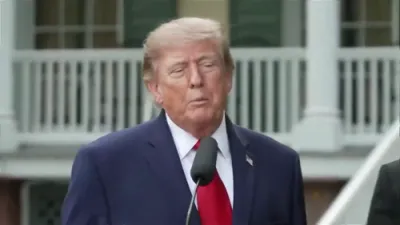
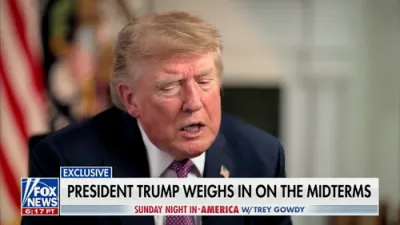
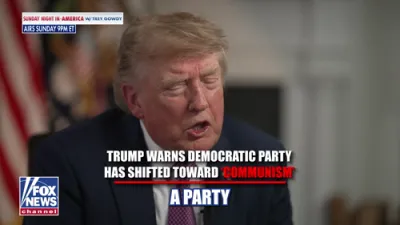
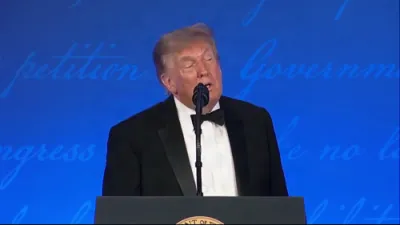
President Trump used a White House Rose Garden dinner on September 2 to lay out an ambitious closing pitch for the midterms, telling assembled Republican lawmakers he intends to personally campaign in 35 of the country's most competitive House and Senate races. "I'm going to go to every one of those 35 places, and we're going to see if we can get everyone elected," Trump told the group, framing the effort as an all-hands push to protect the party's narrow majorities in Congress. He said he plans to concentrate that travel into the final 30 days before the November 3 election, explaining that campaigning too far in advance risks voters forgetting by the time they actually cast ballots. The dinner drew a roster of top officials, including Vice President JD Vance, Speaker Mike Johnson, and several cabinet secretaries, alongside the Republican lawmakers most at risk of losing their seats.
Trump was specific about where he intends to show up, naming Alaska's Senate race, where Republican incumbent Dan Sullivan faces Democratic challenger Mary Peltola, and Texas, where he's backing state Attorney General Ken Paxton in his bid against Democratic state Representative James Talarico. He also made clear his travel wouldn't be evenly distributed, saying he has no interest in campaigning for candidates who are already comfortably ahead, joking that anyone leading by 40 points and holding a seat for 25 years shouldn't bother asking him to show up. That targeting reflects the broader strategy behind the 35-race list: concentrating presidential star power exactly where races are tied, narrowly trailing, or sitting on thin leads, rather than spreading effort across safe seats.
The stakes behind this pledge are significant. Republicans currently hold slim majorities in both chambers of Congress, and losing control of either the House or Senate would dramatically reshape the final two years of Trump's term, opening the door to investigations, subpoenas, and a much harder path for his legislative agenda. Compounding the pressure, lawmakers at the dinner were reportedly hoping Trump would open up his campaign war chest, which reportedly holds more than $400 million, to help fund their races directly. Public sentiment isn't making the task any easier either, with polling showing voters holding dim views of both the economy and the ongoing conflict with Iran, two issues Republicans will have to navigate carefully heading into the fall.
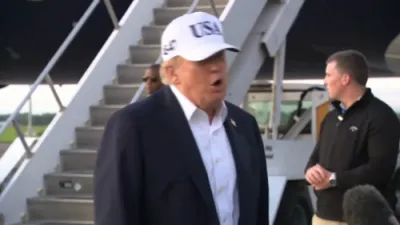
Despite those headwinds, Trump struck a confident tone with his party's most vulnerable members, urging them to run on his administration's record rather than distance themselves from it. He drew a direct comparison to his own relentless travel schedule during his 2024 campaign, suggesting that same intensity, applied now to down-ballot races, could be enough to hold the line in Congress. Whether that strategy pays off will become clear over the next two months, as Trump's promised 35-stop tour puts his personal appeal to the test in exactly the races Republicans can least afford to lose. For now, the pledge signals that the president sees the midterms less as a referendum on his popularity and more as a fight he intends to wage seat by seat, in person.