20-HOUR SIEGE: Militants Storm Mosque After Deadly Car Bombing
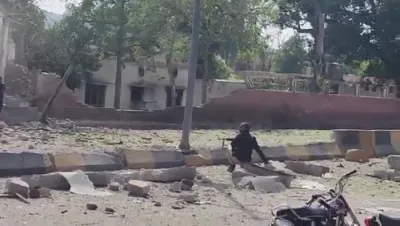
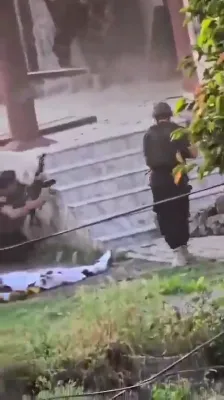
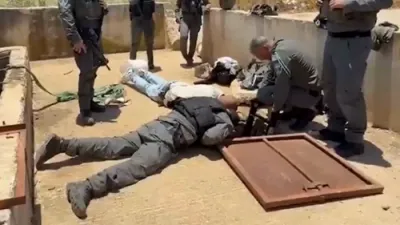
A horrifying attack tore through a mosque inside a police compound in Kohat, Pakistan, on September 18, 2026, just as worshippers had gathered for Friday prayers. An explosives-laden vehicle, driven by an Afghan national identified as Mutee-Ullah, slammed into the site and detonated, and gunmen then stormed the compound, triggering a fierce, hours-long gun battle with police and security forces. The death toll climbed steadily in the hours after the blast, rising from an initial 16 to more than 20, with dozens more, over a hundred by some counts, left injured. Officers made up the majority of the dead, though civilians, including a local paediatrician, were also among the victims.
Security forces launched a sweeping clearance operation that stretched roughly 20 hours before it was declared complete, ultimately killing all eight militants involved in the assault. The attack was claimed by Ittehad-ul-Mujahideen, a faction linked to Taliban commander Hafiz Gul Bahadur, and Pakistani officials say the involvement of an Afghan bomber adds fresh weight to Islamabad's long-running accusations that Afghan soil is being used to plan and launch attacks across the border. Kohat sits near key routes toward North Waziristan and the Afghan frontier, a corridor that has seen a string of deadly strikes in recent months. The bombing lands amid an already tense and worsening security climate along the Pakistan-Afghanistan border, one that has repeatedly strained relations between Islamabad and the Afghan Taliban government.