NEW SYRIA: Trump Administration Formally Removed Syria from the U.S. State Sponsors of Terrorism List.
A dramatic shift in U.S.-Syrian relations took effect Monday as the Trump administration formally removed Syria from the U.S. State Sponsors of Terrorism list, ending a designation that had remained in place since 1979. Syrian President Ahmed al-Sharaa immediately hailed the decision as historic and thanked President Donald Trump, saying Syria had finally “torn out” a painful page from its past. The move follows the fall of Bashar al-Assad’s regime in December 2024 and Washington’s growing engagement with the new Syrian government.
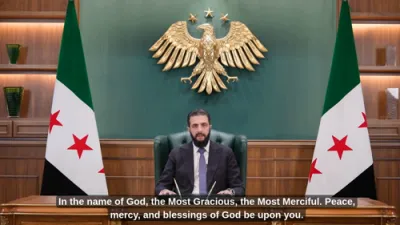
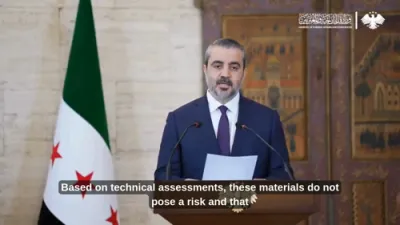
Al-Sharaa presented the decision as a turning point for a country emerging from years of war and international isolation. In a video address, he said the Syrian people were moving toward development, reconstruction and a new relationship with the international community, while crediting Trump for helping remove major obstacles to that process. The Syrian government has argued that the end of the terrorism designation can help reconnect the country to international finance, attract investment and accelerate reconstruction.
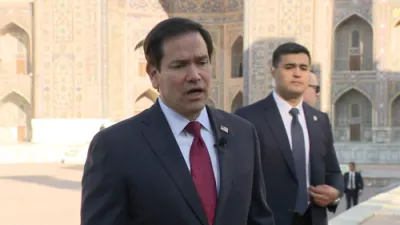
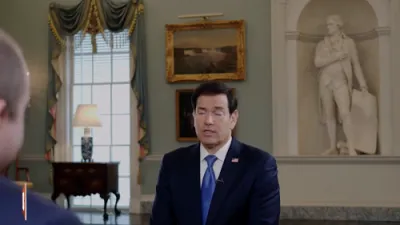
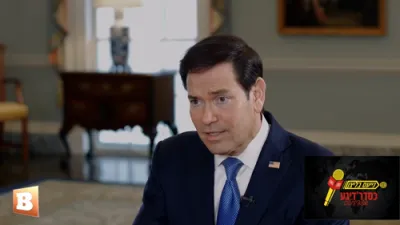
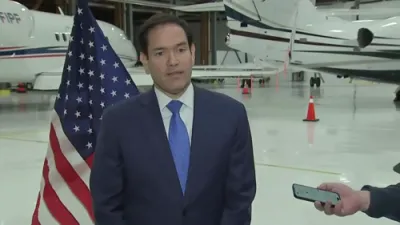
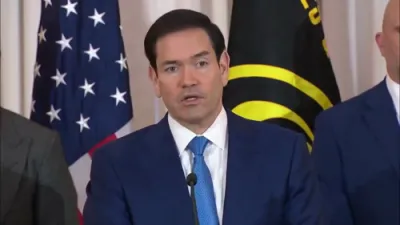
The decision also carries an extraordinary twist because of al-Sharaa’s own past. Before becoming Syria’s president, he was known as Abu Mohammad al-Jolani and led Hay’at Tahrir al-Sham, or HTS, the former al-Nusrah Front, which had previously been designated by Washington as a terrorist organization. On the same day Syria’s designation was rescinded, Secretary of State Marco Rubio also revoked HTS’s designation as a Specially Designated Global Terrorist organization, while the Treasury Department removed the group from its sanctions list.
The Trump administration says the policy change reflects actions and commitments by the Syrian government to distance itself from international terrorism and create conditions for economic and political stability. Removing the State Sponsor designation eliminates restrictions affecting areas such as foreign assistance, defense exports and certain financial transactions, potentially making it easier for international businesses and financial institutions to engage with Syria. However, the change does not mean every U.S. sanction connected to Syria has disappeared, and Washington continues to maintain other targeted restrictions.
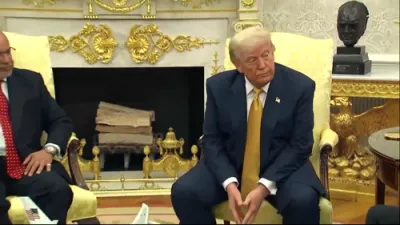
The extraordinary transformation now leaves Syria facing a question that could define its next chapter: can al-Sharaa turn his break with his militant past into a lasting political and economic transformation? For Trump, the decision represents another major diplomatic gamble aimed at encouraging a post-Assad Syria to stabilize and reintegrate with the world economy. For Syrians, the end of a 47-year designation offers a powerful symbol of a new beginning—but the difficult test will be whether that new beginning produces lasting security, reconstruction and international trust.