"BEGGING FOR A DEAL": Trump Claims Iran Crumbling Under Economic Siege
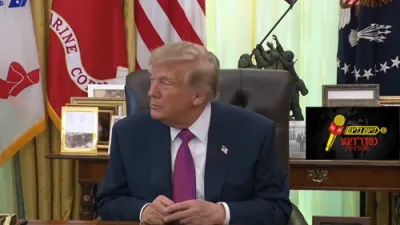
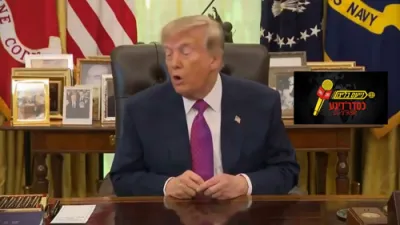
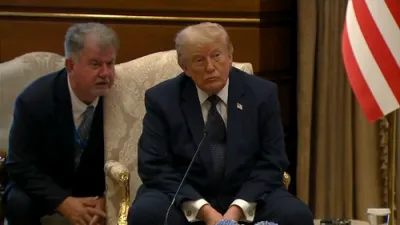
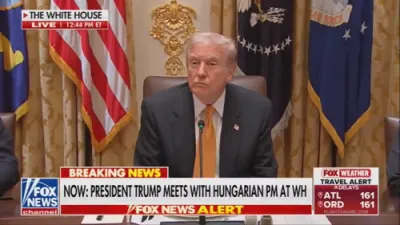
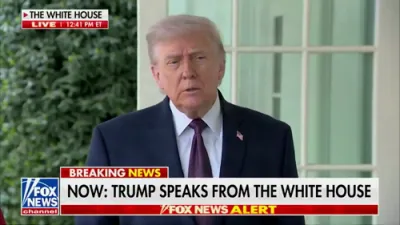
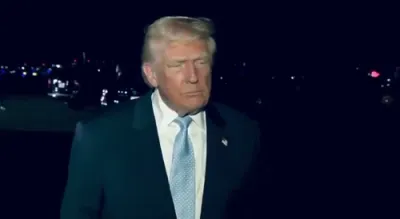
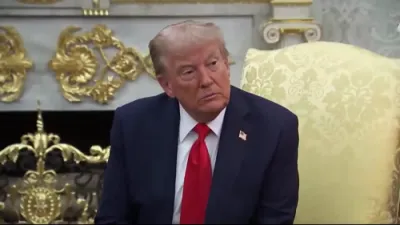
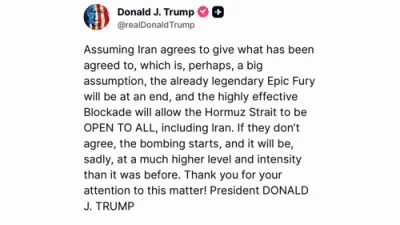
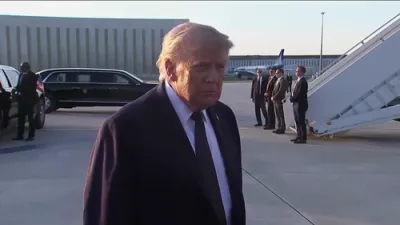
President Trump escalated his rhetoric against Iran on Thursday, declaring that the country is "begging to make a deal" with the United States as economic pressure continues to mount on Tehran. Trump's comments came as reports described long gas lines forming across Tehran and inflation soaring past 100 percent, conditions that White House officials say reflect the toll of ongoing U.S. sanctions and a naval blockade of Iranian ports. This is not the first time Trump has made this claim during the six-month conflict; he has repeatedly asserted that Iranian negotiators are desperate to end the standoff, even as his own administration confirms that no direct talks are currently taking place. White House Press Secretary Karoline Leavitt reinforced that message Thursday morning, telling reporters that Iran is "in a devastating place" and that the administration remains focused on tightening the economic screws rather than resuming negotiations.
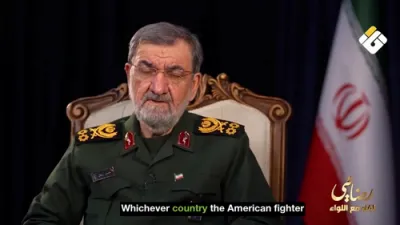
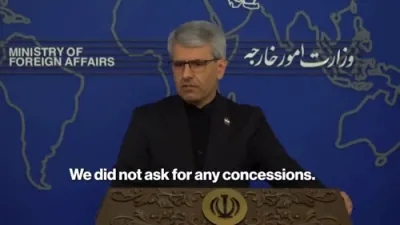
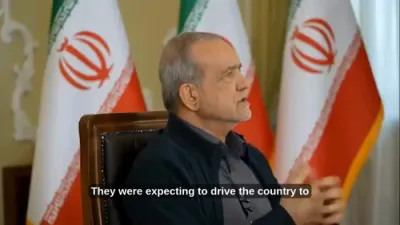
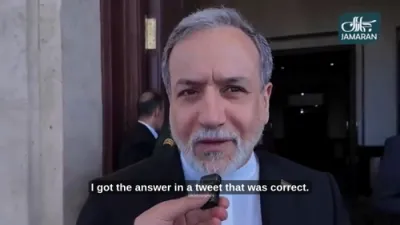
Iran's response has been defiant, with Foreign Minister Abbas Araghchi pushing back on the narrative that economic pressure will force Tehran's hand. Araghchi maintained that diplomacy with the United States remains possible, but only if Washington abandons what he described as a failed pressure strategy and instead works to rebuild trust while respecting Iran's sovereign rights. Iranian officials have consistently argued that the U.S. blockade and sanctions campaign amounts to economic warfare rather than legitimate diplomacy, with some calling the approach a "recipe" for a return to colonial-style coercion. Despite the tough talk from Tehran, Iranian President Masoud Pezeshkian has acknowledged the severity of the economic strain at home, attributing rising inflation and hardship directly to the U.S. blockade and oil export sanctions currently squeezing the country's finances.
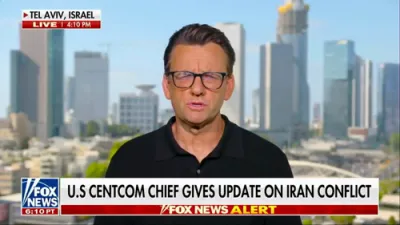
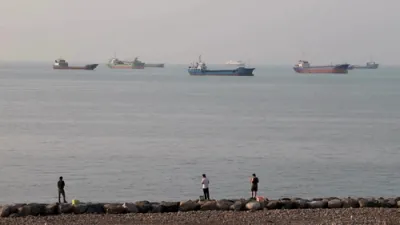
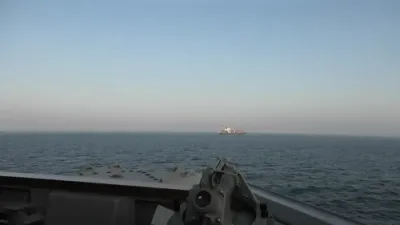
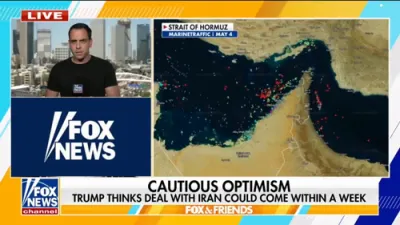
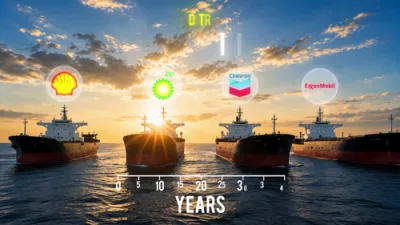
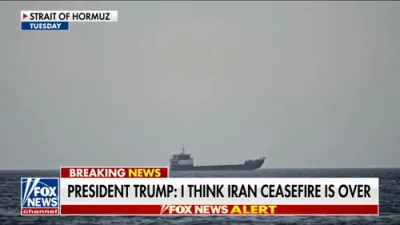
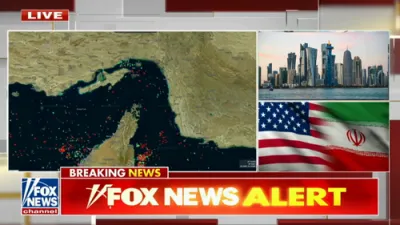
On the military front, U.S. Central Command confirmed that international shipping lanes through the Strait of Hormuz are now open following mine-clearing operations, a significant development given the strait's critical role in global oil and gas transport. Roughly one-fifth of the world's oil and liquefied natural gas shipments passed through the waterway before the war began, and its closure had driven up gas prices and stoked inflation both in Iran and around the world. Notably, Iran's supreme leader has remained out of public view amid the escalating tensions, a detail that has drawn attention as speculation grows about the internal dynamics within Iran's leadership during this period of sustained economic and military pressure. The reopening of Hormuz marks one of the few tangible signs of de-escalation in a conflict that has otherwise shown little movement toward resolution.
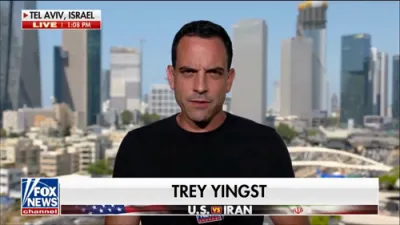
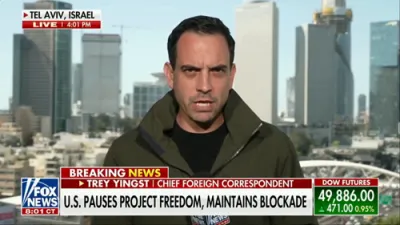
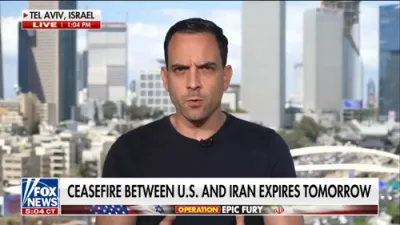
Fox News correspondent Jonathan Hunt, reporting live from the Middle East, captured the current standoff as a moment of high tension but uncertain direction, with both sides publicly insisting they hold the stronger hand. Trump's economic pressure campaign has clearly inflicted real pain on ordinary Iranians, evidenced by empty markets, protests over the collapsing currency, and a government struggling to manage public frustration. Yet Iran's leadership continues to resist framing any potential negotiations as capitulation, instead calling for the U.S. to shift its approach entirely rather than assuming economic hardship alone will bring Tehran to the table. With the war now stretching well past its original six-week projection and into its seventh month, both sides appear locked in a war of words even as the practical situation on the ground, from reopened shipping lanes to soaring inflation, continues to shift beneath them.