איראנער שרייען "טויט צום דיקטאטור" אינמיטן די נאכט פראטעסטן.
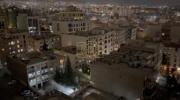
Nighttime scenes across Tehran captured residents chanting from their apartment windows in a coordinated act of defiance against Iran’s ruling regime. Voices echoed through multiple neighborhoods with slogans including “Pahlavi will return” and “Death to the dictator,” reflecting a continuation of the protest movement that has intensified since late 2025.
The method of protest—chanting from windows and rooftops—has become a tactical adaptation to heavy security crackdowns that have made large street demonstrations increasingly dangerous. By remaining inside residential buildings, participants reduce the immediate risk of arrest while still projecting a collective message that carries across densely populated urban areas. This approach has allowed dissent to persist even under heightened surveillance and enforcement.
The chants coincided with a call by exiled Crown Prince Reza Pahlavi for a global day of action, which supporters inside Iran appear to have echoed through localized demonstrations. While the scale of participation is difficult to verify due to restrictions on independent reporting, the widespread nature of the audio recordings suggests coordinated timing across several districts of the capital.
The protest slogans directly challenge the legitimacy of the current leadership and signal support for an alternative political future. Such expressions of dissent are particularly significant in Tehran, where state security presence is strongest and public opposition carries substantial personal risk. The use of nighttime hours further indicates an effort to avoid confrontation while maximizing the symbolic impact of unified voices.
These developments occur against the backdrop of an ongoing protest movement marked by sustained unrest, economic pressure, and growing public frustration. Human rights groups and independent monitors have reported significant casualties since the latest wave of demonstrations began, contributing to an atmosphere of heightened tension throughout the country.
The continuation of coordinated chanting underscores the persistence of opposition sentiment despite strict controls. As authorities attempt to contain visible street mobilization, decentralized and low-visibility forms of protest have emerged as a key channel for public expression. The Tehran chants illustrate how dissenting voices are adapting their methods while maintaining pressure on the regime in an evolving political landscape.
גאלערי
ווידעאס
