צה"ל פירט דורך 230 אטאקעס אויף איראנע מיליטערישע צילן
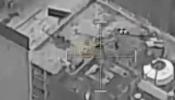
The footage reveals massive secondary explosions resulting from the strikes, demonstrating both the scale and precision of Israel’s offensive operations. Analysts note that such imagery serves multiple purposes: confirming operational success, reinforcing deterrence, and showcasing technological superiority in standoff munitions. By targeting high-value facilities, Israel aims to disrupt Iran’s supply chains and military infrastructure while maintaining the initiative in a rapidly escalating conflict.
This wave of strikes comes amid heightened hostilities following initial attacks on Iran’s nuclear sites earlier in the month. The focus on ammunition depots, weapons production sites, and other military assets reflects a strategic effort to limit Tehran’s ability to sustain operations over the longer term. Israeli officials emphasize that these operations are designed to maximize impact on military targets while minimizing civilian casualties, though the intensity of the campaign presents significant risks in densely populated regions.
The IDF’s release of missile-perspective footage also highlights the integration of modern surveillance and precision-strike capabilities into contemporary warfare. Observers note that such visual documentation not only informs military analysis but also plays a key role in psychological operations, projecting strength to both adversaries and domestic audiences. The images reinforce Israel’s ability to conduct high-tempo, technologically advanced operations deep within enemy territory.
Overall, the 230 strikes represent one of the largest concentrated air operations in the ongoing Iran conflict, showcasing Israel’s technological edge and operational reach. The combination of precision targeting, high-volume munitions deployment, and real-time footage underscores a commitment to sustained pressure on Iranian military infrastructure. As the conflict continues, further high-intensity operations are expected to shape the strategic and operational landscape across the region.
גאלערי
ווידעאס
