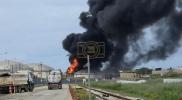
פייער ברעכט אויס אין חיפה ריפיינערי נאך א מיסל אטאקע
גאלערי
ווידעאס
A fire broke out at Israel’s Haifa oil refinery following a missile barrage, with officials confirming the blaze was caused by debris from an intercepted projectile. Video footage from the scene shows thick smoke rising from the facility, underscoring the continued targeting of critical infrastructure amid escalating regional conflict. Authorities reported no casualties and confirmed that the fire was quickly contained, minimizing risk to surrounding areas.
The incident comes during a broader wave of missile attacks targeting northern Israel, with both Iran and Hezbollah-linked forces suspected of involvement. Officials noted that it remains unclear whether the specific projectile originated from Iran or Lebanon, as multiple launches occurred simultaneously. This ambiguity reflects the increasingly complex nature of the conflict, where multiple actors operate across overlapping theaters.
Despite the visible damage, Israeli authorities emphasized that fuel production at the refinery was not affected. Energy officials confirmed that critical infrastructure remained intact, ensuring continuity of supply despite repeated strikes on the site. Analysts note that maintaining operational capacity under sustained attack is a key strategic objective, particularly as energy infrastructure becomes a focal point in the conflict.
This marks at least the second recent incident involving the Haifa refinery, following earlier missile strikes that caused localized damage but did not significantly disrupt operations. The repeated targeting highlights the strategic importance of the facility, which serves as a major hub for Israel’s energy sector and logistics network.
Overall, the latest fire at the Haifa refinery underscores the intensifying nature of the Israel-Iran conflict and the growing focus on economic and industrial targets. While immediate damage appears limited, the continued strikes signal an ongoing effort to pressure critical infrastructure, raising concerns about escalation and the resilience of key energy assets in the region.
