רוביא זאגט פאר אייראפע אז אמעריקע זוכט פארטנערשיפ
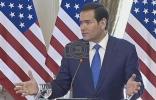
U.S. Secretary of State Marco Rubio addressed European leaders in Bratislava, Slovakia, on February 15, 2026, asserting that Washington does not seek dominance over its allies, but rather a partnership based on mutual respect and shared responsibilities. Speaking alongside President Peter Pellegrini and Prime Minister Robert Fico, Rubio clarified that the United States “does not want you to be dependent on us” and is “not asking you to be a vassal,” emphasizing that strong transatlantic cooperation is the goal.
The remarks follow Rubio’s February 14 speech at the Munich Security Conference, which took a softer tone compared to earlier critiques of multilateral institutions, signaling the administration’s intent to reinforce NATO and broader European defense arrangements while urging European nations to increase defense spending and reduce reliance on U.S. security guarantees. The Bratislava address framed the relationship as one of partnership, stressing that collective security requires shared burden and capability rather than unilateral dependence.
Analysts note that Rubio’s message is part of a broader diplomatic strategy to reassure European allies amid ongoing debates over NATO commitments and regional security threats. By emphasizing equality and shared purpose, the U.S. aims to strengthen cooperation while encouraging Europe to develop more robust independent defense capabilities. The statement underscores a balancing act: asserting American leadership in global security while fostering confidence that Europe’s sovereignty and strategic autonomy will be respected.
The Secretary’s comments were received positively by European officials, reflecting a mutual interest in maintaining a strong NATO alliance without undermining European agency. This approach aligns with the administration’s broader vision for a transatlantic security architecture in which the United States provides strategic guidance and resources, but relies on partner nations to assume proportionate responsibilities in addressing common threats.
By framing the partnership in terms of mutual obligation rather than hierarchical control, Rubio sought to build trust and clarify U.S. intentions, signaling a commitment to collaborative defense solutions while preparing European allies for a more active role in their own security. The Bratislava remarks represent a diplomatic effort to solidify alliances, promote burden-sharing, and reinforce the principle that effective global security relies on collective action rather than unilateral reliance.
גאלערי
ווידעאס
