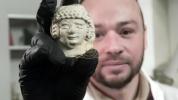
א דריי-טויזנט-יעריגער ליים-פארעם באשטעטיגט אז ירושלים האט פראדוצירט אירע אייגענע הייליגע פיגורן.
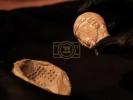
Archaeologists Unearth First-Ever First Temple Figurine Mold in Jerusalem
Archaeologists with the Israel Antiquities Authority have unearthed a remarkable piece of ancient craftsmanship beneath Jerusalem, a clay mold once used to cast the face of a female figurine, dating back to the 8th through 6th centuries BCE. The discovery was made at the Kishle, a site within Jerusalem's historic Tower of David complex, and marks the first production mold of its kind ever found in the city. For scholars of the First Temple period, the find offers something rarely available: direct, physical proof that these figurines were not imported from elsewhere but crafted right in Jerusalem itself.
The object in question belongs to a well-known category known as Judean Pillar Figurines, small clay statuettes found in households across the ancient kingdom of Judah during this era. Until now, researchers had uncovered plenty of the finished figurines themselves but lacked concrete evidence of exactly where and how they were manufactured. This newly discovered mold closes that gap, confirming that skilled Judean artisans were producing these objects locally, likely supplying households throughout Jerusalem and the surrounding region with a steady demand for the popular figures.
What these figurines actually meant to the people who owned them remains a subject of lively debate among archaeologists and historians. Many believe they functioned as household amulets, meant to invoke blessing, protection, or good fortune for the family that kept them, though their precise religious or symbolic role has never been definitively settled. Regardless of their exact purpose, this latest discovery adds a rich and tangible new layer to our understanding of daily life, craftsmanship, and belief in Jerusalem during the final centuries of the First Temple period, cementing the city's role as a genuine center of ancient production rather than merely a marketplace for imported goods.
גאלערי
ווידעאס