לעצטע קוועטש: פרעזידענט טראמפ באפעלט אן עקאנאמישע "די-דעי" קעגן איראן.
גאלערי
ווידעאס
פרעזידענט טראמפ דערקלערט אן "עקאנאמישע די-דעי" קעגן איראן; סטראשעט לענדער און ביזנעסער וואס טוען געשעפטן מיט טעהראן
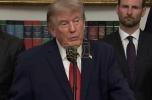
פרעזידענט דאנאלד טראמפ האט דערקלערט אן "עקאנאמישע די-דעי" (Economic D-Day) קעגן איראן, און צוגעזאגט וואס ער רופט אן די "מערסט פארניכטנדע עקאנאמישע אפעראציע וואס איז נאר אמאל גענומען געווארן קעגן סיי וועלכע לאנד." די מעלדונג איז א שטארקע עסקאלאציע אין וואשינגטאן'ס דרוק קאמפיין קעגן טעהראן, וואו טראמפ האט קלאר געווארנט אז לענדער, ביזנעסער און פינאנציעלע אינסטיטוציעס וואס וועלן ווייטער צושטעלן אן עקאנאמישע לעבנס-ליניע פאר איראן, וועלן אויסשטיין שווערע קאנסעקווענצן. דער פרעזידענט האט ספעציפיש אנגעוויזן אויף אויל שמוגלערייען, קעש טראנספערס, עקסטשעינדזש הייזער, שיף רעגיסטראציעס און פראנט-קאמפאניס אלס די הויפט צילן פון דעם נייעם קאמפיין.
אין א באריכט פון תל אביב, האט פאקס ניוז הויפט אויסערן קארעספאנדענט, טרעי אינגסט, ארויסגעברענגט אז די מעלדונג איז א ברייטע פארזוך אפצוהאקן די לעצט-פארבליבענע רעוועניו קוואלן וואס ערלויבן דעם איראנער רעזשים צו פינאנצירן אירע טעראר אפעראציעס. טראמפ האט גערופן אמעריקע'ס אליאירטע לענדער ארויסצוהעלפן איזאלירן טעהראן, זאגנדיג אז דער דרוק איז נויטיג צו פארמיידן איראן פון באקומען א נוקלעארע וואפן און אפצושוואכן איר קראפט צו שטיצן טעראריזם איבערן ראיאן. די ווארענונג פון די אדמיניסטראציע הייבט די אומשטענדן פאר לענדער וואס זענען ווייטער אנגעגאנגען מיט ביזנעס מיט איראן טראץ די עקזיסטירנדע אמעריקאנער סאנקציעס.
די עקאנאמישע אפענסיווע קומט אין א צייט וואס די ברייטערע אמעריקע-איראן קאנפראנטאציע איז שטארק פארבינדן מיטן סטראטעגישן 'הארמוז דורכגאס', וואו שיפינג און מיליטערישע אקטיוויטעטן זענען געווארן א הויפט קוואל פון אנגעצויגנקייט. טראמפ האט געזאגט אז דער דורכגאס בלייבט אפן, אבער האט גלייכצייטיג באטאנט אז די אמעריקאנער פלאט בלאקאדע איז גאר עפעקטיוו. איראנער באאמטע האבן פון זייער זייט ווייטער אפגעלייקנט וואשינגטאן'ס ווערסיע פון די סיטואציע. די קאמבינאציע פון עקאנאמישע דרוק, סאנקציעס און מיליטערישע פאזיציעס קען איבערלאזן טעהראן מיט גאר שמאלע אפציעס, בעת וואשינגטאן פרובירט ארויפצוצווינגען א הויפט סטראטעגישע באשלוס.
איראן, פון איר זייט, האט אפגעווארפן טראמפ'ס דערקלערונג און אראפגעמאלן דעם נייעם דרוק קאמפיין אלס נאך א דורכגעפאלענע אמעריקאנער פאליסי, אלא ווי אן ענדגילטיגע קלאפ קעגן טעהראן. איראנער אויסערן מיניסטער אבאס אראגטשי האט זיך אקעגנגעשטעלט וואשינגטאן'ס צוגאנג, בשעת איראנער באאמטע גייען ווייטער אן מיט באשולדיגן אמעריקע אין נוצן "עקאנאמישע מלחמה" צו לייגן דרוק אויפן רעזשים. דער קאנפראנטאציע גייט דעריבער פיל ווייטער ווי סתם נאך א רונדע פון סאנקציעס: ביידע זייטן שטעלן יעצט אראפ דעם עקאנאמישן קאמף אלס א פראבע ווער עס קען אויסהאלטן דעם דרוק לענגער.
טראמפ'ס "עקאנאמישע די-דעי" דערקלערונג לאזט יעצט איבער א פיל גרעסערע פראגע איבערן קאנפליקט: וואס פאסירט אויב לענדער וואס גייען ווייטער אן מיט העלפן איראן וועלן טאקע אויסשטיין די געסטראשעטע עקאנאמישע קאנסעקווענצן? אויב וואשינגטאן גייט טאקע פאראויס מיט אגרעסיווע 'סעקאנדערי סאנקציעס' און עס געלינגט איר צו פארמאכן די פינאנציעלע קאנאלן אויף וואס טעהראן פארלאזט זיך, קען דער דרוק דערגרייכן פיל ווייטער ווי איראן'ס גרעניצן. עס קען צווינגען ביזנעסער און רעגירונגען איבער דער וועלט צו קלייבן צווישן האבן צוטריט צום אמעריקאנער פינאנציעלן סיסטעם אדער ווייטער טון געשעפטן מיט טעהראן. פאר איראן, שטעלט דער קאמפיין מיט זיך פאר נאך א פראנט אין א קאנפליקט וואס ווערט אלס מער געקעמפט נישט נאר מיט מיליטערישע קראפט, נאר אויך דורך געלט, האנדל, שיפינג און פינאנציעלע איזאלאציע.