רוביא קריטיקירט אייראפע איבער די אוקריינא מלחמה
גאלערי
ווידעאס
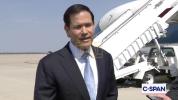
U.S. Secretary of State Marco Rubio sharply addressed transatlantic tensions by highlighting what he described as an imbalance in global conflict responsibilities. Responding to remarks from certain European leaders suggesting that a separate conflict was “not Europe’s war,” Rubio pointedly noted that Ukraine is not America’s war either. Despite this, he emphasized that the United States has contributed more to Ukraine’s defense than any other nation. His comments underscore growing frustration in Washington over burden-sharing among Western allies.
Since the start of the conflict in 2022, the United States has committed over $175 billion in aid to Ukraine, according to congressional data. This assistance spans military support, economic aid, and humanitarian relief, positioning the U.S. as the primary backer of Ukraine’s war effort. Rubio’s remarks draw attention to the scale of this commitment, particularly in comparison to contributions from European nations. The statement reflects a broader push within U.S. leadership to reassess how allied nations share the costs of international security.
The comments were made in the context of the G7 Summit, where leaders are grappling with multiple overlapping crises. Rubio’s framing introduces a direct challenge to allies who may seek to limit their involvement in conflicts beyond their immediate region. By drawing parallels between Ukraine and other geopolitical flashpoints, he signals that the United States expects reciprocal engagement from its partners. This approach highlights an increasingly transactional dimension in alliance politics.
Rubio’s stance aligns with the broader foreign policy direction associated with Donald Trump, which prioritizes equitable burden-sharing and strategic realism. In addition to emphasizing financial commitments, Rubio reiterated calls for a negotiated ceasefire in Ukraine. This signals a potential shift toward diplomatic resolution efforts, even as military support continues. The dual emphasis on accountability and de-escalation reflects a recalibration of U.S. strategy.
As debates continue within the alliance, Rubio’s remarks are likely to intensify discussions about fairness and responsibility in global security. European leaders may face increased pressure to expand their contributions or adjust their rhetoric regarding other conflicts. At the same time, the U.S. position suggests a willingness to reconsider its role if disparities persist. The evolving dynamic could have lasting implications for NATO cohesion and broader Western cooperation.
