געיעג קעגן די צייט: איזראעלישע רעטונגס לייט זוכן נאך פארלוירענע אין איינגעפאלענע געביידעס אין קאלאמביע.
גאלערי
ווידעאס
מדינת ישראל רעטונגס-גרופע העלפט ארויס אין קאלאמביע נאך שווערע ערדציטערניש
רעטונגס ארבייטער פונעם מדינת ישראל 'היימפראנט קאמאנד' (פיקוד העורף) ארבעטן אינאיינעם מיט לאקאלע עמערדזשענסי טיעמס אין די שטאט קאלי, קאלאמביע, נאך א שרעקליכע ערדציטערניש וואס האט איבערגעלאזט א חורבן. די רעטונגס-קרעפטן זוכן צווישן די חורבות פאר מענטשן וואס זענען נאך אלס פאררעכנט אלס פארשוואונדן.
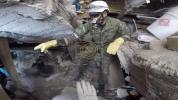
ווידעא רעקארדירונגען פון די קאמערעס אויף די רעטונגס-ארבייטער צייגן ווי זיי גייען אדורך מיט גרויס פארזיכטיגקייט די צוזאמגעפאלענע קאנקריט געביידעס און זוכן צווישן די אומסטאבילע ברוכווארג אלס א טייל פון אן אינטערנאציאנאלע רעטונגס אקציע. די מיסיע ווערט דורכגעפירט דורך אן 80-פערזאן דעלעגאציע, באקאנט אלס די "ברידערליכע בונד", וואס איז אראפגעשיקט געווארן קיין קאלאמביע נאך די שווערע ערדציטערניש פונעם 10'טן אוגוסט. דער היימפראנט קאמאנד שיקט אפט ארויס ספעציעלע 'סוירטש ענד רעסקיו' עקספערטן קיין אויסלאנד נאך גרויסע קאטאסטראפעס, ניצנדיג זייער ערפארונג אין עמערדזשענסיס פון צוזאמגעפאלענע בנינים.
די ארטיגע רעגירונג אין קאלאמביע האט געבעטן הילף פון עטליכע לענדער, אריינגערעכנט אמעריקע, עקוואדאר, על סאלוואדאר און מדינת ישראל, נאכן זען די ריזיגע פארנעם פונעם קאטאסטראפע. ביי די לאקאציעס וואו די מדינת ישראל דעלעגאציע איז געווארן איינגעטיילט, האבן זיי באריכטעט אז זיי האבן געטראפן אלע פארשוואונדענע מענטשן וואס זיי האבן געדארפט זוכן. ווי אויך האבן זיי געהאלפן די לאקאלע אויטאריטעטן אונטערזוכן די געשעדיגטע געביידעס, וואס האט ערמעגליכט פאר מער ווי 250 פאמיליעס זיך צוריקצוקערן אהיים אין א זיכערע סביבה.
די אפעראציע פאדערט פון די רעטונגס-ארבייטער צו ארבעטן גאר פאמעליך און פראפעסיאנאל ארום אומסטאבילע בנינים, וואו איין קליינע טעות קען חלילה קאסטן דאס לעבן פון די איבערלעבער און די רעטונגס-פערסאנאל. די שווערע ארבעט צייגט ארויס ווי וויכטיג אינטערנאציאנאלע 'סוירטש ענד רעסקיו' טיעמס זענען אין די ערשטע קריטישע טעג נאך א גרויסע ערדציטערניש.
יעצט, ארום א וואך אריין אין די מיסיע, הייבט זיך די אפעראציע אן צו טוישן פון אן אינטענסיווע זוכונג פאר פארשוואונדענע מענטשן, צו א פאזע פון אונטערזוכן די סטרוקטורן פון די געביידעס און העלפן די שטאט זיך צוריקשטעלן אויף די פיס. די עקספערטן וועלן אונטערזוכן צענדליגע געשעדיגטע בנינים און איבערגעבן זייער באריכט פאר די לאקאלע אויטאריטעטן, כדי צו קענען באשליסן וועלכע געביידעס זענען נאך אלס א סכנה און וועלכע זענען שוין זיכער צו וואוינען. דאס איז א גאר וויכטיגע טריט, וויבאלד די סכנה גייט נישט אוועק נאכדעם וואס די ערשטע זוכונגען ענדיגן זיך; אפגעשוואכטע בנינים, געקראכטע קאנקריט און אומסטאבילע ווענט קענען ווייטער זיין א לעבנס-געפאר פאר די איינוואוינער און רעטער לאנג נאכדעם וואס די ערדציטערניש אליינס האט זיך שוין אפגעשטעלט.
די ווידעא רעקארדירונגען פון די מיסיע גיבן א קלארן בליק אויף די שווערע און געפארפולע ארבעט וואס קומט פאר אונטער די קוליסן, וואו די רעטונגס-ארבייטער גייען אריין אין פלעצער וואו די זעעוודיגקייט און סטאביליטעט קען זיך טוישן פון איין סעקונדע צום צווייטן. פאר די דעלעגאציע איז די מיסיע פיל מער ווי בלויז א זוכונג פאר איבערלעבער — עס איז אויך אן אנשטרענגונג צו שטיצן קאלאמביע'ס ערהוילונג און טיילן זייער ספעציאליזירטע עקספערטיז מיט די לאקאלע טיעמס.
די הויפט ציל יעצט איז צו העלפן די ארטיגע קאמיוניטיס וויסן וואו עס איז זיכער זיך צוריקצוקערן און וואו די ערדציטערניש האט איבערגעלאזט באהאלטענע סכנות וואס מען קען נישט זען פונעם גאס. די מיסיע צייגט נאכאמאל ווי שנעל א קאטאסטראפע קען פארוואנדלען אינטערנאציאנאלע קאאפעראציע אין א געיעג קעגן די צייט צו ראטעווען לעבנס און צוריקברענגען א געפיל פון זיכערהייט.
