טערקיי ארבעט מיליטעריש מיט מדינת ישראל
גאלערי
ווידעאס
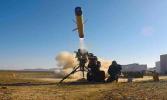
Greece has deployed Israeli-made Spike NLOS precision missiles across its eastern Aegean islands and along the Evros River border, signaling a significant escalation in its defensive posture amid rising tensions with Türkiye.
The Spike NLOS system, developed in Israel, offers a ground range of up to 32 kilometers and features advanced electro-optical guidance, allowing operators to identify, track, and strike targets with high precision in all weather conditions. Greek officials view the deployment as a critical deterrent against potential incursions across disputed maritime and land borders.
The move comes as Greece and Türkiye continue to clash over sovereignty issues in the Aegean Sea, maritime boundaries, and regional energy exploration. These tensions intensified throughout 2025, marked by naval standoffs and aggressive maneuvering near contested waters. By positioning the missiles on key islands and along the Evros line, Athens aims to reinforce its defensive readiness without initiating direct confrontation.
The deployment also underscores the deepening strategic partnership between Greece and Israel. The missile placement follows a €100 million arms agreement finalized in October 2025, further solidifying military cooperation between the two nations. Israeli defense technology has increasingly become a cornerstone of Greece’s modernization efforts, particularly in precision strike and surveillance capabilities.
Analysts note that the Spike NLOS system provides Greece with a flexible response option, enabling remote engagement of high-value targets while reducing risk to personnel. The system’s battlefield-proven performance has made it a preferred choice for nations facing complex border threats.
As regional dynamics remain volatile, Greece’s decision reflects a broader trend of strengthening alliances with reliable defense partners. The deployment sends a clear message that Athens intends to protect its territorial integrity while leveraging advanced Israeli technology to maintain strategic balance in the Eastern Mediterranean.
