פרעזידענט טראמפ'ס פלענער איבער סאנקציעס אויף רוסלאנד
גאלערי
ווידעאס
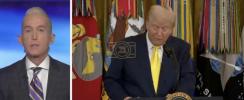
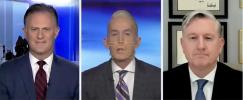
U.S. President Donald Trump’s potential approach to undermining Russia’s fragile economy was the focus of a recent discussion on Sunday Night in America. Panelists Nathan Sales and Robert Greenway examined the ongoing Russia-Ukraine conflict, alongside the Israel-Hamas war, to assess how U.S. policy and economic pressure could shift the balance of power.
Sales and Greenway described Russia’s economy as a “house of cards” — vulnerable to targeted sanctions, energy market disruption, and trade isolation. They argued that if Trump were to return to office, his administration could leverage aggressive economic measures, particularly secondary sanctions and tighter energy restrictions, to cripple Moscow’s ability to fund its war in Ukraine.
The panel also touched on the interconnectedness of global conflicts, noting that instability in Eastern Europe and the Middle East demands coordinated U.S. leadership. They suggested that a dual-front strategy — pressuring Russia economically while supporting Israel’s fight against Hamas — could strengthen America’s position internationally.
While the discussion remained hypothetical, it underscored the growing debate over how the U.S. should wield economic power as a strategic weapon in ongoing geopolitical struggles.